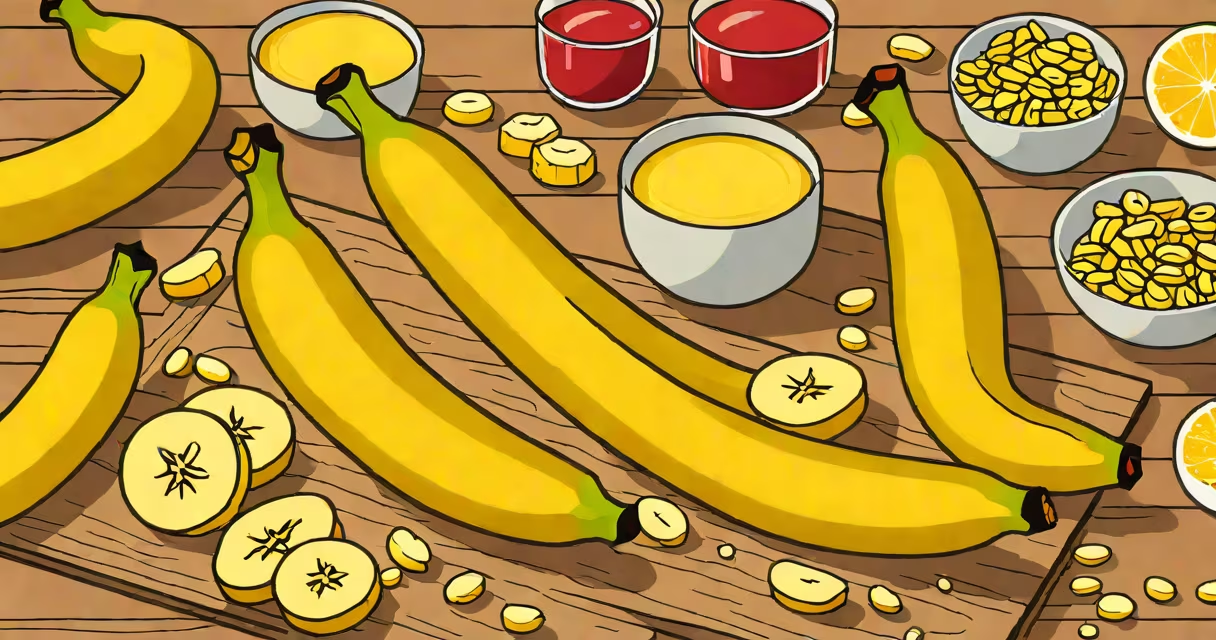
Bananas promote gut health by providing natural prebiotic fibers that feed beneficial gut bacteria, improving digestion and intestinal function.
Bananas contain resistant starch and pectin, which act as prebiotics. These compounds resist digestion in the small intestine and reach the colon intact, where they ferment and nourish probiotic bacteria like bifidobacteria and lactobacilli. This process enhances gut barrier function, reduces inflammation, and may alleviate symptoms of irritable bowel syndrome (IBS).
The primary gut-health-promoting components in bananas are:
| Type | Ripeness | Key Benefit |
|---|---|---|
| Green Banana | Unripe | High in resistant starch, excellent for feeding gut bacteria. |
| Yellow Banana | Ripe | Rich in pectin and antioxidants, supporting digestion. |
| Overripe Banana | Very ripe | Contains more antioxidants and easier to digest. |
Many people believe that only ripe bananas are beneficial. However, unripe bananas offer unique advantages due to their higher resistant starch content., while bananas are often associated with quick energy, their long-term benefits for gut health are equally significant.
To maximize gut health benefits, consider adding bananas to smoothies, oatmeal, or yogurt. For a fully worked example, blend one green banana, a cup of Greek yogurt, and a teaspoon of chia seeds for a fiber-rich snack. This combination provides both prebiotics and probiotics, supporting a healthy gut microbiome.
Incorporating bananas into your diet is a simple yet effective way to support gut health. Their natural prebiotic fibers contribute to a balanced and thriving gut microbiome, enhancing digestive well-being.