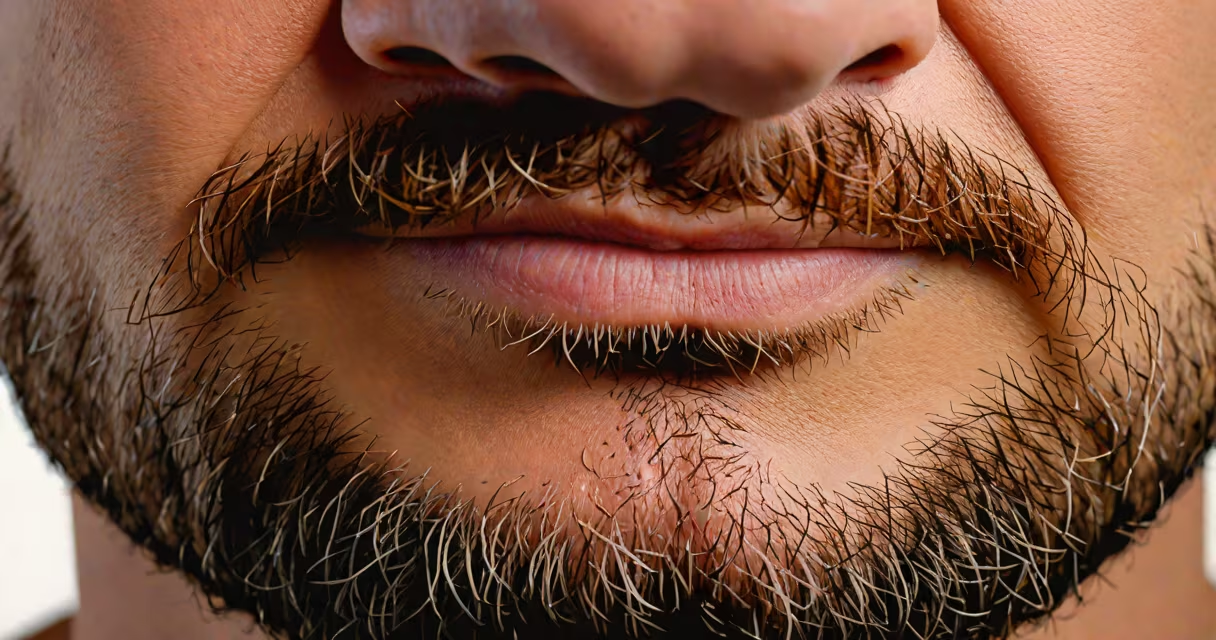
Beard growth is determined by genetics and hormone sensitivity. The chin area often grows slower than other parts of the face due to fewer active hair follicles. A study published in the Journal of Dermatology found that 15-20% of men experience uneven beard growth, with the chin being the most common weak spot.
First, assess your grooming routine. Avoid shaving too closely or using harsh products. Exfoliate gently 1-2 times per week to unclog pores. Apply beard oil containing jojoba or argan oil to stimulate follicles. For nutritional support, increase intake of lean proteins, nuts, and leafy greens.
When I noticed thinning under my chin, I switched to a single-blade razor and reduced exfoliation. Within six weeks, new growth appeared. While genetics limit full coverage, the spot became less noticeable.
Many assume beard bald spots are permanent. In reality, they often improve with proper care. Another myth is that shaving causes patchiness-shaving doesn't affect follicle health, though improper technique can worsen appearance.
For severe cases, American Academy of Dermatology guidelines recommend consulting a specialist to explore treatments like platelet-rich plasma (PRP) therapy.