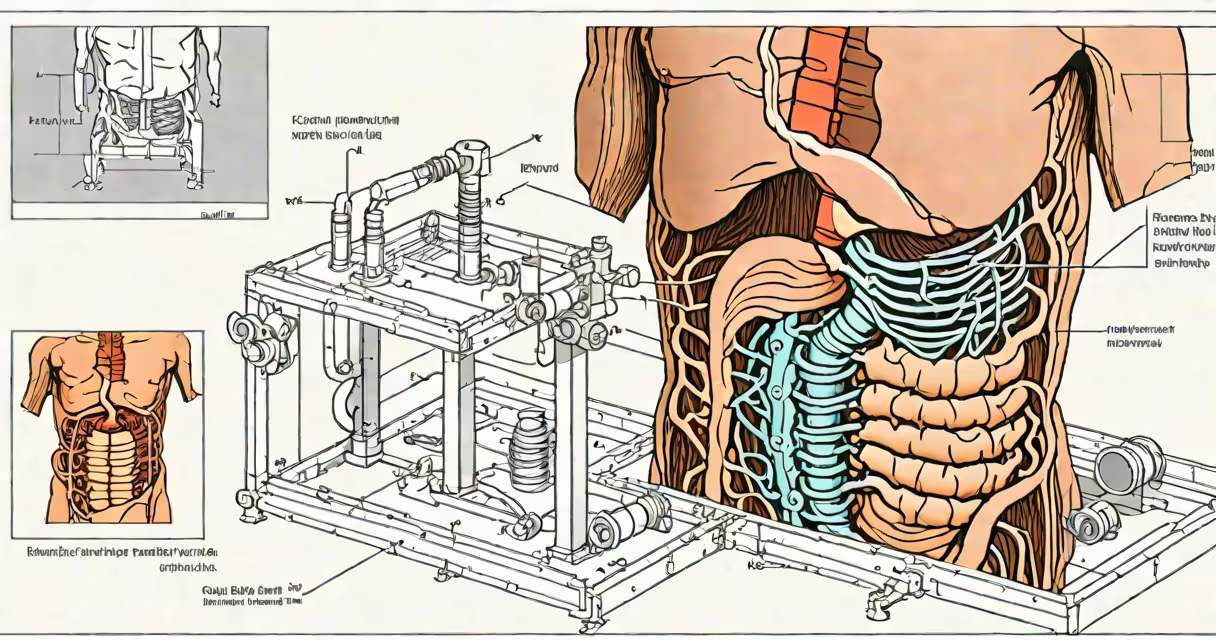
Belching and acidity occur when stomach acid flows backward into the esophagus, causing discomfort or pain. This condition, often linked to acid reflux or gastroesophageal reflux disease (GERD), affects millions annually.
The lower esophageal sphincter (LES) normally prevents stomach contents from entering the esophagus. When this muscle weakens or relaxes abnormally, stomach acid can escape, leading to belching and acidity. Common triggers include overeating, lying down after meals, or consuming acidic foods.
Belching and acidity manifest in different forms:
| Type | Description |
|---|---|
| Acid Reflux | Occasional acid backflow causing mild discomfort. |
| GERD | Chronic acid reflux requiring medical treatment. |
| Functional Dyspepsia | Persistent stomach discomfort without clear cause. |
Several factors contribute to belching and acidity:
Symptoms range, including:
Doctors diagnose belching and acidity through:
Treatment options include lifestyle changes (eating smaller meals, avoiding triggers), over-the-counter antacids, or prescription medications like proton pump inhibitors (PPIs). Surgery may be required for severe cases.
I once experienced persistent belching and acidity after a holiday feast. Adjusting my diet and timing meals helped reduce symptoms.