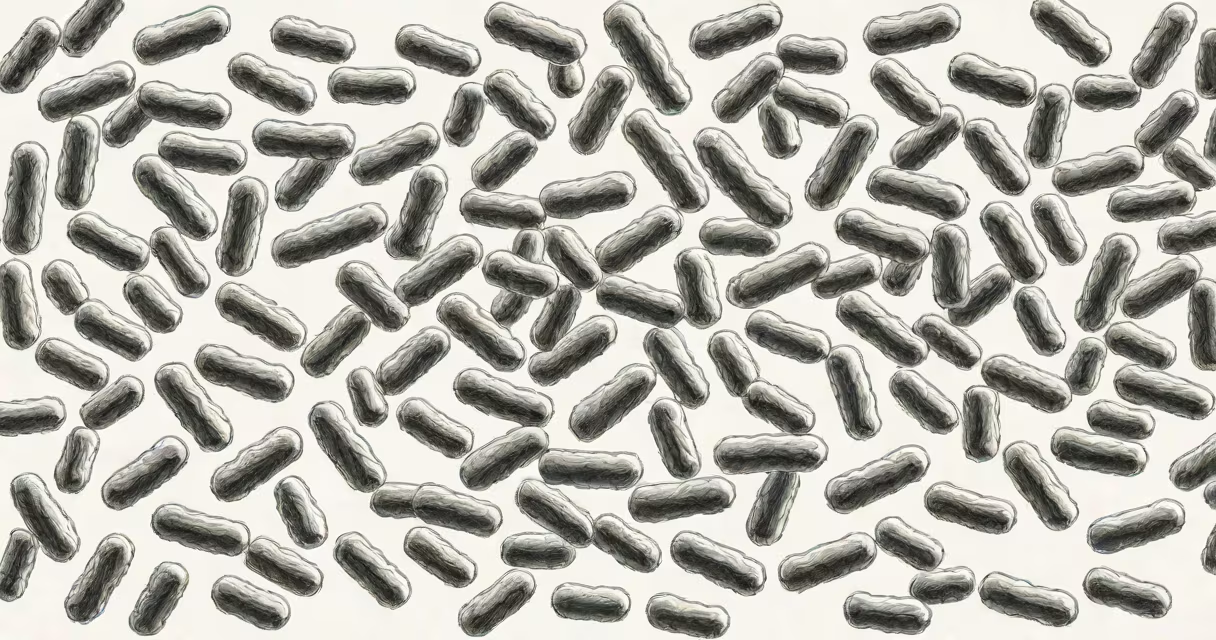
Proteus mirabilis is a gram-negative bacterium that frequently causes urinary tract infections (UTIs), particularly in patients with urinary catheters or structural abnormalities. The best antibiotic for Proteus mirabilis UTI depends on local resistance patterns and patient-specific factors.
Proteus mirabilis produces urease, an enzyme that breaks down urea into ammonia, raising urine pH and forming struvite crystals. These crystals can aggregate into stones, providing a niche for bacterial persistence and complicating treatment.
| Antibiotic Class | Examples | Effectiveness |
|---|---|---|
| Nitrofurans | Nitrofurantoin | High; first-line for uncomplicated UTIs |
| Folate pathway inhibitors | Trimethoprim-sulfamethoxazole (TMP-SMX) | Moderate; often prescribed |
| Fluoroquinolones | Ciprofloxacin, Levofloxacin | Moderate; reserved for complicated cases |
| Aminoglycosides | Gentamicin, Amikacin | Low; used for severe infections |
Proteus mirabilis is inherently resistant to many antibiotics due to its ability to produce extended-spectrum beta-lactamases (ESBLs). A study published in the journal Antimicrobial Agents and Chemotherapy found that ESBL-producing strains were resistant to multiple antibiotics, including third-generation cephalosporins.
For uncomplicated UTIs, nitrofurantoin is often the best antibiotic for Proteus mirabilis UTI due to its high efficacy and low resistance rates. However, for complicated UTIs or those involving kidney stones, TMP-SMX or fluoroquinolones may be necessary. Always confirm susceptibility with a urine culture and sensitivity test.
Many people assume that broad-spectrum antibiotics like amoxicillin are effective against Proteus mirabilis. However, these bacteria are often resistant to penicillins due to their beta-lactamase production. Always consult a healthcare provider for proper diagnosis and treatment.
For more information on treating UTIs caused by similar bacteria, see our guide on antibiotic choices for Pseudomonas UTIs.