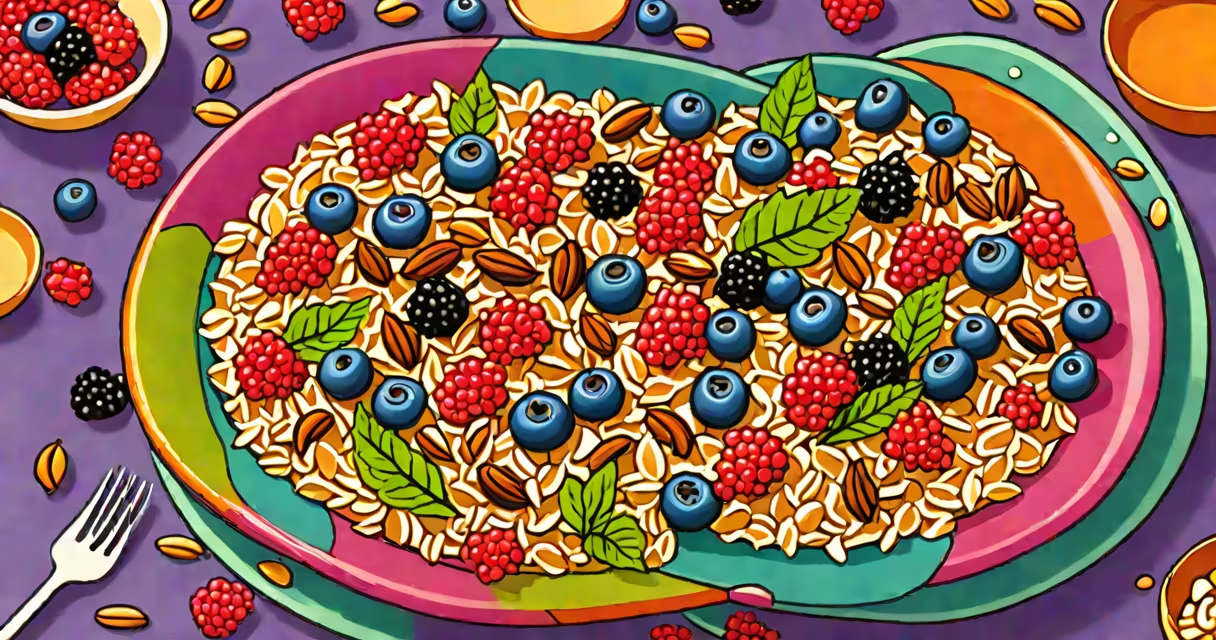
Breaking a fast with nutrient-dense, easily digestible foods supports blood sugar stability and gut health. These meals prioritize protein, healthy fats, and fiber to replenish energy and promote satiety.
When you eat after fasting, your body shifts from burning stored fat to processing incoming nutrients. This transition requires gentle, balanced foods to avoid digestive discomfort or blood sugar spikes. The best foods provide steady energy and essential nutrients without overwhelming your system.
The best foods to break your fast fall into several categories:
Breaking a fast with the right foods helps prevent overeating and ensures your body absorbs nutrients efficiently. For example, a study published in the journal Nutrients found that eating protein and fiber together after fasting improves satiety and reduces cravings. Conversely, processed foods or sugary snacks can lead to energy crashes and digestive issues.
Many people confuse breaking a fast with eating large, heavy meals. However, this approach can cause bloating and discomfort. Instead, start with small portions of easily digestible foods and gradually increase intake. For instance, a bowl of oatmeal with berries and nuts provides a balanced mix of carbs, protein, and healthy fats.
People often make these mistakes when breaking a fast:
| Mistake | Why It's Harmful | Better Alternative |
|---|---|---|
| Eating too much too soon | Overwhelms digestion and causes bloating | Start with small portions and gradually increase |
| Choosing processed foods | Leads to blood sugar spikes and crashes | Opt for whole, nutrient-dense foods |
| Ignoring hydration | Dehydration can cause headaches and fatigue | Include hydrating foods like cucumbers or bone broth |
I once broke my fast with a large pizza after a 16-hour fast. The result was bloating, fatigue, and a headache that lasted for hours. Since then, I've learned to start with lighter, more balanced meals like a smoothie with spinach, banana, and almond butter.
Breaking a fast is common in intermittent fasting, religious practices, and medical settings. For example, during Ramadan, people break their fast with dates and water to gently reintroduce nutrients. Similarly, those practicing intermittent fasting often choose nutrient-dense meals to support their health goals.
The best food to break your fast includes nutrient-dense options like eggs, avocados, and whole grains. These foods support digestion, energy levels, and health. Avoid processed foods and sugary snacks, and opt for balanced, easily digestible meals instead.