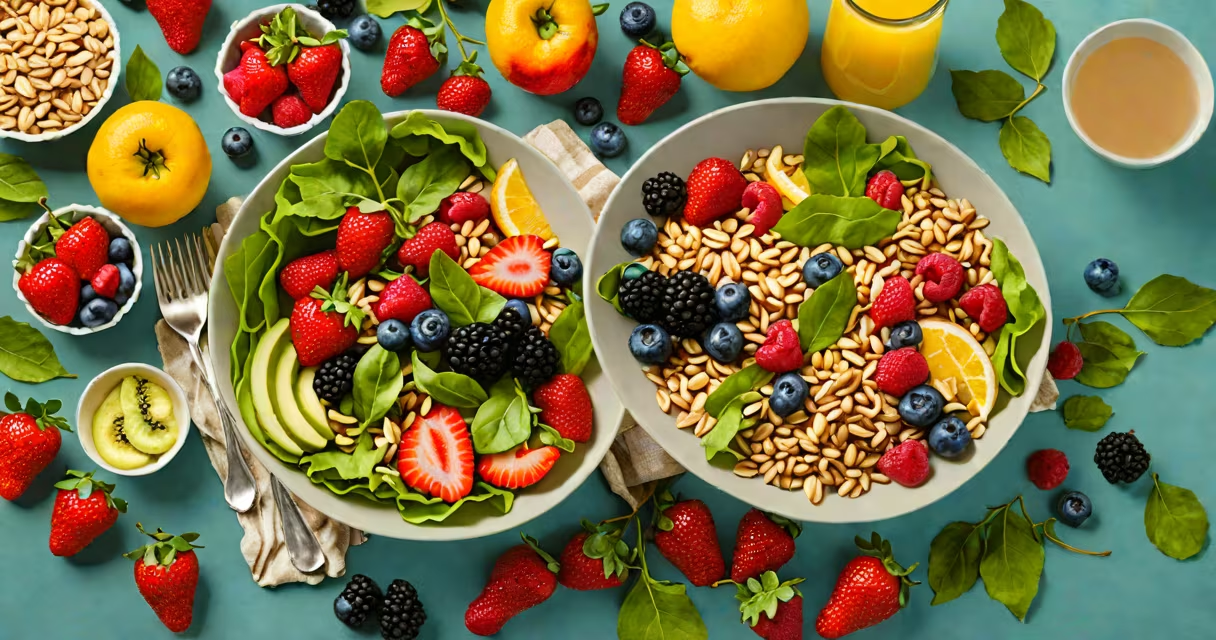
Healthy bowel movements depend on a diet rich in fiber, water, and probiotics. Foods like whole grains, fruits, vegetables, legumes, nuts, and seeds support digestive health.
Fiber adds bulk to stool, stimulating intestinal contractions that move waste through your system. Soluble fiber dissolves in water, forming a gel-like substance that softens stool. Insoluble fiber doesn't dissolve, adding bulk that speeds up transit time.
Fruits and vegetables are excellent sources of both soluble and insoluble fiber. Whole grains like oats, barley, and quinoa provide insoluble fiber. Legumes such as beans, lentils, and peas offer soluble fiber. Nuts and seeds contribute healthy fats alongside fiber.
| Food Type | Examples | Fiber Content (per serving) |
|---|---|---|
| Fruits | Apples, bananas, berries | 3-6 grams |
| Vegetables | Broccoli, carrots, spinach | 2-5 grams |
| Whole Grains | Oats, brown rice, quinoa | 4-8 grams |
| Legumes | Beans, lentils, chickpeas | 6-10 grams |
| Nuts & Seeds | Almonds, chia seeds, flaxseeds | 2-5 grams |
Fiber increases stool weight and speeds up its passage through the intestines. Soluble fiber absorbs water, making stool softer and easier to pass. Insoluble fiber adds bulk, stimulating intestinal contractions. Together, they prevent constipation and promote regular bowel movements.
A study published in the Journal of Nutrition found that increasing dietary fiber intake grams per day improved bowel movement frequency and consistency in participants with chronic constipation.
Probiotics, found in yogurt, kefir, and fermented foods, support a healthy gut microbiome. They improve digestion and reduce bloating. A healthy microbiome balances beneficial bacteria, aiding nutrient absorption and waste elimination.
The National Institute of Diabetes and Digestive and Kidney Diseases recommends consuming probiotic-rich foods daily to maintain gut health.
Many people confuse fiber with laxatives, assuming quick fixes work better than dietary changes. However, sudden increases in fiber without adequate water intake can cause bloating and gas. Gradually introduce fiber while drinking plenty of water to avoid discomfort.
Another mistake is relying on processed foods labeled "high fiber." These often contain added sugars and unhealthy fats, negating fiber benefits. Opt for whole, natural foods instead.
When I struggled with irregular bowel movements, I increased my fiber intake by adding chia seeds to my morning smoothie and swapping white rice for brown rice. Within a week, my digestion improved noticeably. Pairing fiber with hydration was key-drinking an extra glass of water with each meal made a significant difference.