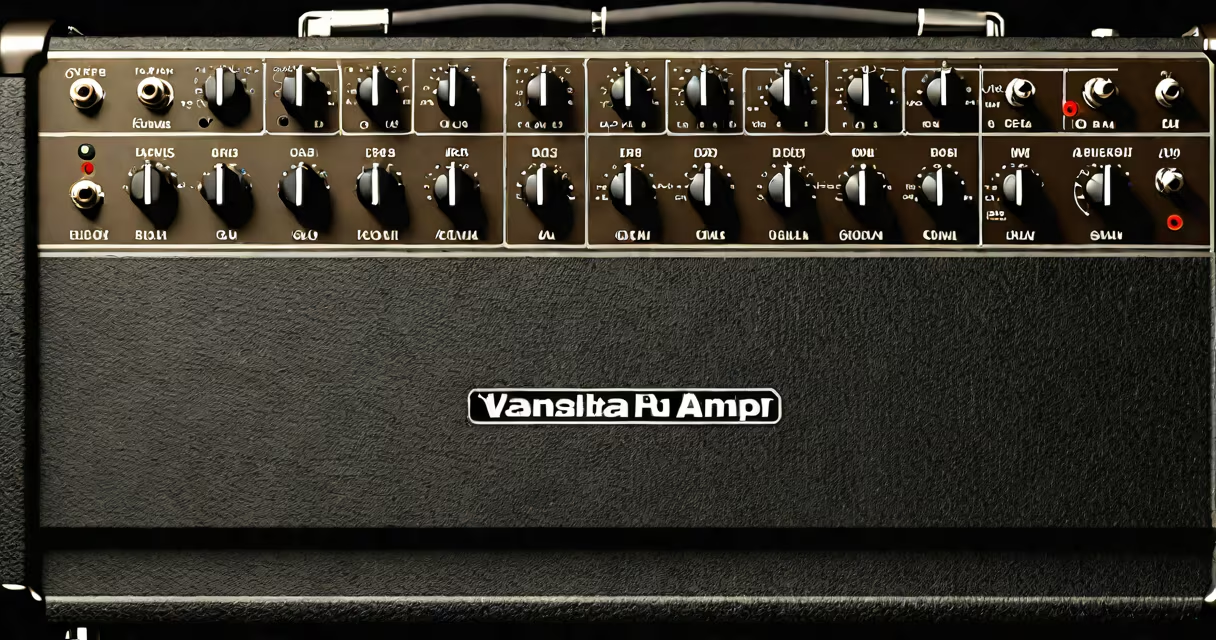
A guitar amp VST is a software plugin that simulates the sound and behavior of physical guitar amplifiers. These digital models process dry guitar signals through virtual circuits to create amplified tones.
Most guitar amp VSTs use digital signal processing algorithms to model the electronic circuits of real amplifiers. This includes simulating preamp gain stages, power amp distortion characteristics, and speaker cabinet resonances. Some advanced plugins incorporate machine learning to analyze and replicate specific amp models.
When you plug a guitar into an audio interface connected to your computer, the dry signal passes through the VST plugin in your digital audio workstation (DAW). The plugin applies amplification, equalization, and distortion effects before sending the processed signal to your computer's speakers or headphones.
| Type | Characteristics | Examples |
|---|---|---|
| Single Amp Models | Focused recreations of specific amplifier models | Neural Amp Modeler, Amplitube |
| Multi-Amp Collections | Libraries containing multiple amp models | Guitar Rig, BIAS Amp |
| Hybrid Processors | Combine amp modeling with additional effects | Helix Native, Line 6 HX Stomp |
Many guitarists believe that only hardware amplifiers can produce authentic tones. However, modern amp modeling technology has advanced. High-quality guitar amp VSTs can closely replicate the character of vintage amplifiers and even offer tonal variations that would be difficult or impossible to achieve with physical amplifiers.
Another misconception is that amp modeling is only suitable for clean tones. In reality, many guitar amp VSTs excel at high-gain distortions, offering many saturation characteristics from subtle overdrive to extreme metal distortion.
Guitar amp VSTs are widely used in home studios for recording and practice. Their portability and cost-effectiveness make them popular alternatives to physical amplifiers. Many professional producers use amp modeling plugins alongside hardware amplifiers to achieve specific tones.
For example, a guitarist might use a guitar amp VST to quickly audition different amplifier sounds during songwriting sessions. In recording scenarios, amp modeling allows for easy tone adjustments without the need for multiple physical amplifiers in the studio.
I've personally used guitar amp VSTs to recreate classic rock tones for home recordings. By combining a modeled Marshall JMP-1 with a modeled 4x12 cabinet, I was able to achieve a sound reminiscent of classic rock records from the 1970s.
When selecting a guitar amp VST, consider factors such as the specific amplifier models offered, the quality of the modeling algorithms, and the available tone-shaping controls. Some plugins focus on accuracy, while others prioritize versatility and ease of use.