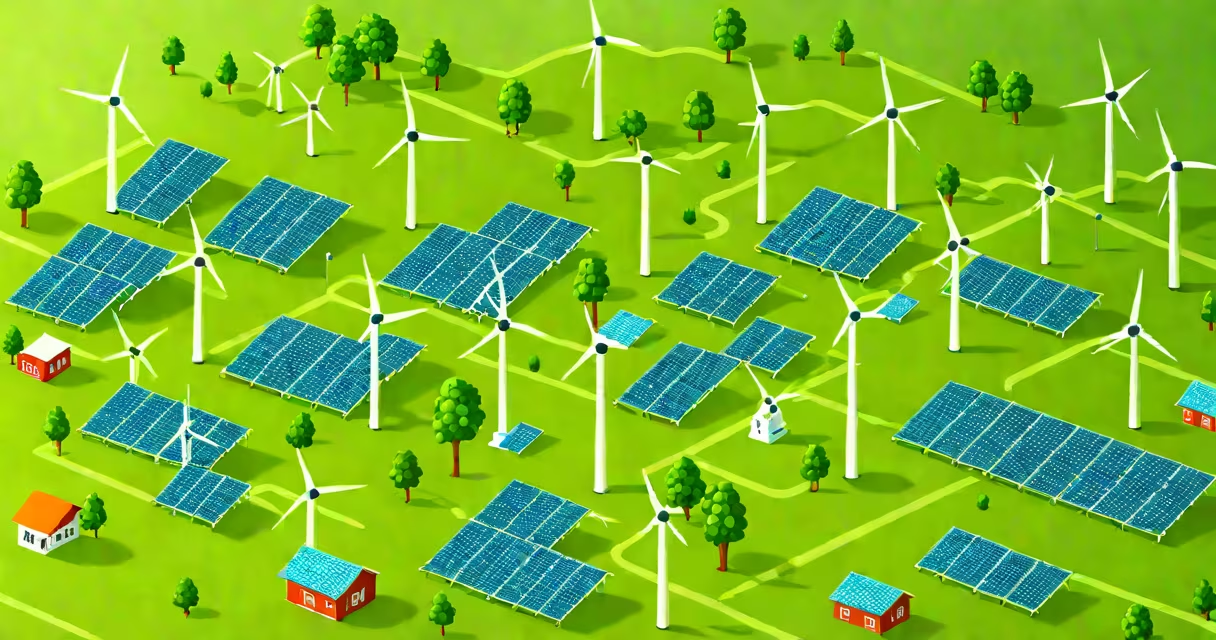
A green energy supplier is a company that provides electricity generated from renewable sources like wind, solar, or hydro power. These suppliers prioritize low-carbon or carbon-neutral generation methods, often combining multiple renewable sources to provide consistent, eco-friendly electricity.
Choosing the best green energy supplier depends on your location, energy needs, and specific environmental priorities. Some suppliers specialize in certain renewable sources, while others offer a mix. Many also provide additional sustainability benefits, such as supporting community solar projects or offering energy-efficiency programs.
Green energy suppliers operate similarly to traditional utility companies but focus on sourcing electricity from renewable resources. They may own their own generation facilities or purchase renewable energy credits (RECs) to offset their electricity production. When you switch to a green energy supplier, they handle the transition process with your local utility, ensuring minimal disruption to your service.
Most green energy suppliers offer plans with 100% renewable energy, though some provide partial green options. The cost can vary based on market rates and the specific mix of renewable sources. Some suppliers charge a premium for their eco-friendly plans, while others price competitively with traditional utilities.
Green energy suppliers typically fall into one of three categories:
| Type | Description | Examples |
|---|---|---|
| Independent Power Producers (IPPs) | Companies that generate and sell their own renewable energy | NextEra Energy, Ørsted |
| Retail Suppliers | Companies that purchase renewable energy and resell it to consumers | Arcadia, CleanPowerSF |
| Cooperatives | Member-owned organizations that provide renewable energy to local communities | Cooperative Energy, Pedernales Electric Cooperative |
Green energy suppliers operate in many regions, particularly in areas with supportive renewable energy policies. For example, Europe has a high adoption rate of green energy suppliers due to strict environmental regulations. In the U.S., states like Texas, California, and New York have competitive energy markets that encourage green suppliers.
Consumers choose green energy suppliers to reduce their carbon footprint, support renewable energy development, and sometimes to access more competitive pricing. Businesses often switch to green suppliers to meet sustainability goals or to appeal to environmentally conscious customers.
One misconception is that green energy suppliers always charge more than traditional utilities. While some do, many offer competitive rates, especially in deregulated markets. Another myth is that switching suppliers causes service interruptions. In reality, the transition is smooth, with the local utility still handling distribution and customer service.
Some people believe that choosing a green supplier means their home receives electricity directly from renewable sources. However, the electricity grid mixes all sources together. Instead, green suppliers ensure that the amount of electricity you consume is matched by renewable energy fed into the grid elsewhere.
To find the best green energy supplier for your needs, start by checking availability in your area. Compare plans, pricing, and contract terms from different suppliers. Look for suppliers that offer transparency about their renewable energy sources and any additional sustainability initiatives they support.
Consider suppliers that provide tools for tracking your energy usage and carbon savings. Some suppliers also offer additional benefits, such as discounts on electric vehicle charging or home energy audits. Reading customer reviews and checking with local regulatory agencies can help you make an informed decision.
When I switched to a green energy supplier for my home, I was surprised by how easy the process was. My electricity didn't skip a beat during the transition, and I now receive monthly reports showing how much CO2 I've saved by using renewable energy. The slight premium I pay feels worthwhile knowing I'm supporting cleaner energy sources.