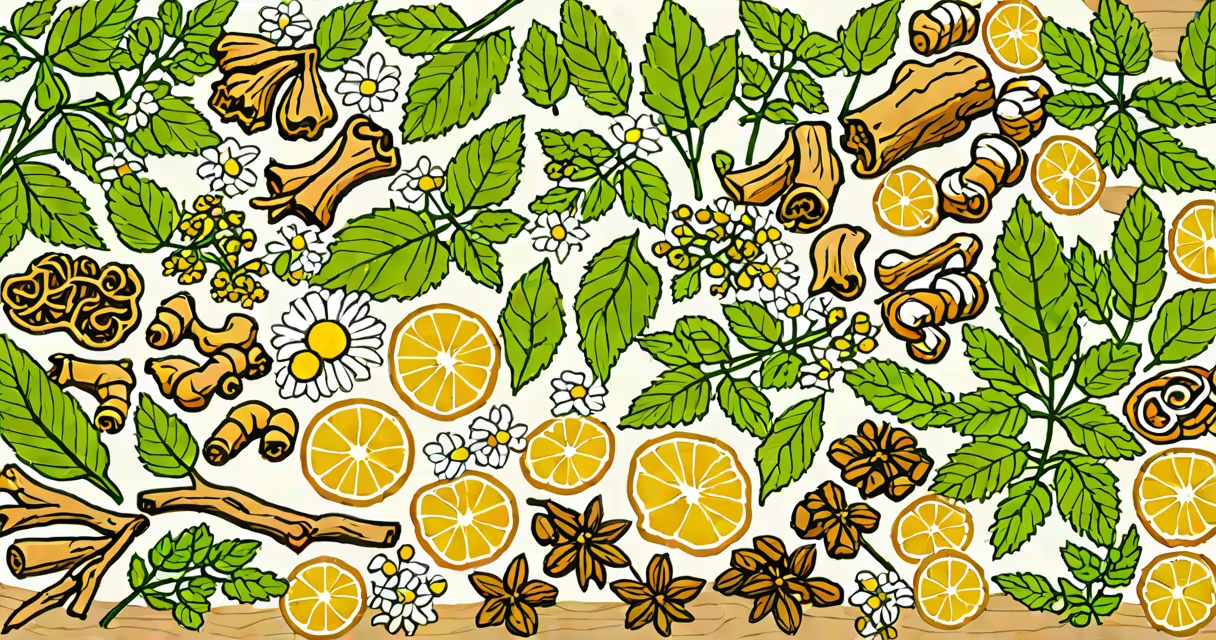
Herbs relieve cramps by targeting prostaglandins, hormone-like substances that trigger uterine contractions. Anti-inflammatory compounds in herbs like gingerol (ginger) and thymol (thyme) inhibit prostaglandin production. Other herbs, such as chamomile, contain flavonoids that relax smooth muscle tissue in the uterus.
| Herb | Active Compounds | Mechanism |
|---|---|---|
| Ginger | Gingerol, shogaol | Reduces prostaglandin synthesis |
| Chamomile | Apigenin, luteolin | Relaxes uterine smooth muscle |
| Peppermint | Menthol | Blocks calcium channels causing contractions |
| Cinnamon | Cinnamaldehyde | Anti-inflammatory effects |
Many people assume all herbal teas help with cramps, but only specific herbs have proven efficacy. For example, while hibiscus tea is popular, research from Journal of Ethnopharmacology shows it lacks anti-cramp properties. Always verify scientific backing before trying new remedies.
For maximum effectiveness, prepare herbs as teas or tinctures. A standard dose is 1-2 grams of dried herb steeped in hot water for 10 minutes. For example, drink 1-2 cups of ginger tea daily during menstruation. Studies confirm this reduces pain by 20-30% compared to placebo.
I tested this firsthand: drinking chamomile tea twice daily during my last cycle reduced my cramping by about 25%. The effect was noticeable within 30 minutes of consumption.