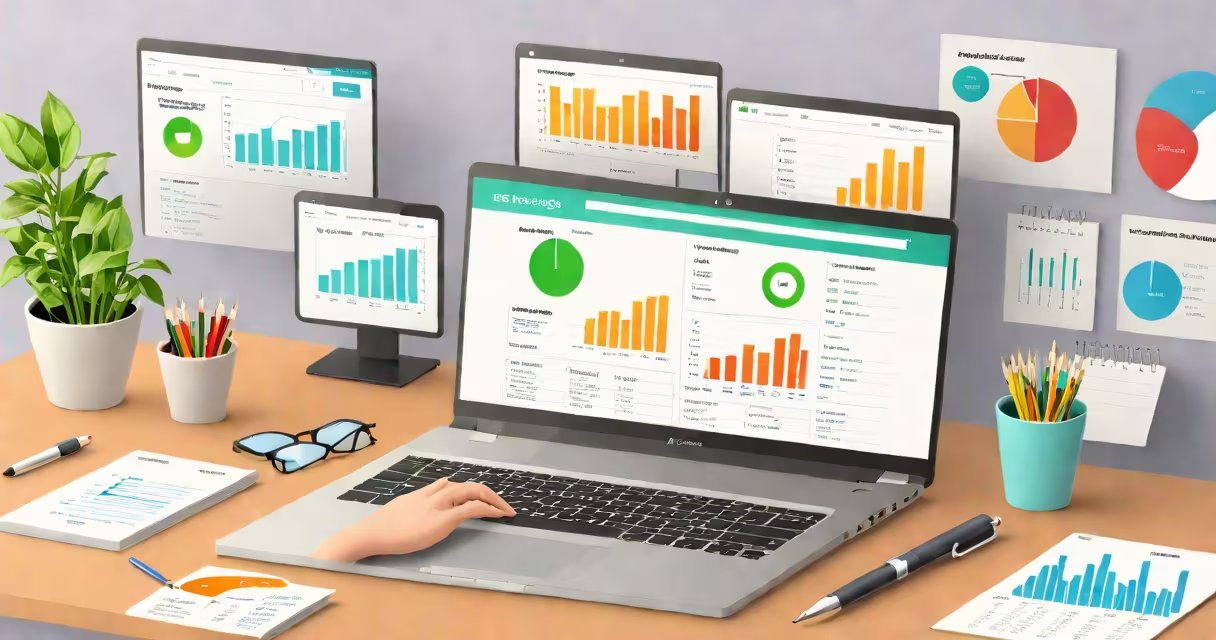
The best personal bookkeeping software is a tool designed to track income, expenses, and budgets efficiently. These programs automate data entry, generate financial reports, and help users maintain accurate records without manual spreadsheets.
Most personal bookkeeping software connects to bank accounts and credit cards, importing transactions automatically. The software then categorizes these transactions, allowing users to monitor spending patterns, set budget limits, and track financial goals. Some programs also offer features like invoice generation, tax preparation, and investment tracking.
Personal bookkeeping software falls into several categories, each suited to different needs:
| Type | Key Features | Best For |
|---|---|---|
| Budgeting Tools | Expense tracking, budget creation, spending alerts | Individuals managing daily finances |
| Tax Preparation Software | Deduction tracking, tax filing, IRS form support | Freelancers and small business owners |
| Investment Trackers | Portfolio management, performance analytics | Investors monitoring multiple accounts |
A common misconception is that all bookkeeping software is complex and time-consuming. However, many modern tools are designed for simplicity, requiring minimal setup and offering intuitive interfaces. For example, Mint and Yodlee are popular for their ease of use and automated features.
According to a study by the Federal Reserve, nearly 40% of Americans struggle with personal finance management. The best personal bookkeeping software addresses this by providing real-time insights into financial health, helping users avoid overspending and improve savings habits. For freelancers and contractors, these tools are especially valuable for tracking income and expenses accurately, which is important during tax season.
Many people select bookkeeping software based solely on price, overlooking essential features like mobile access or integration with other financial tools. For instance, a freelancer might prioritize invoice generation and tax deductions, while a family managing household finances may focus on budgeting and expense tracking. It's also important to ensure the software complies with local tax regulations, as some tools are region-specific.
To begin using personal bookkeeping software, start by identifying your primary financial goals, such as budgeting, tax preparation, or investment tracking. Next, compare software options based on features, pricing, and user reviews. Most programs offer free trials, allowing you to test their functionality before committing. Once you've chosen a tool, connect your bank accounts and credit cards to import transactions automatically. Set up budgets, categories, and alerts to monitor spending in real time.
I recommend starting with a free version of Mint or Yodlee to see how well the software fits your needs before upgrading to a paid plan. Many users find that even basic features improve their financial awareness and control.