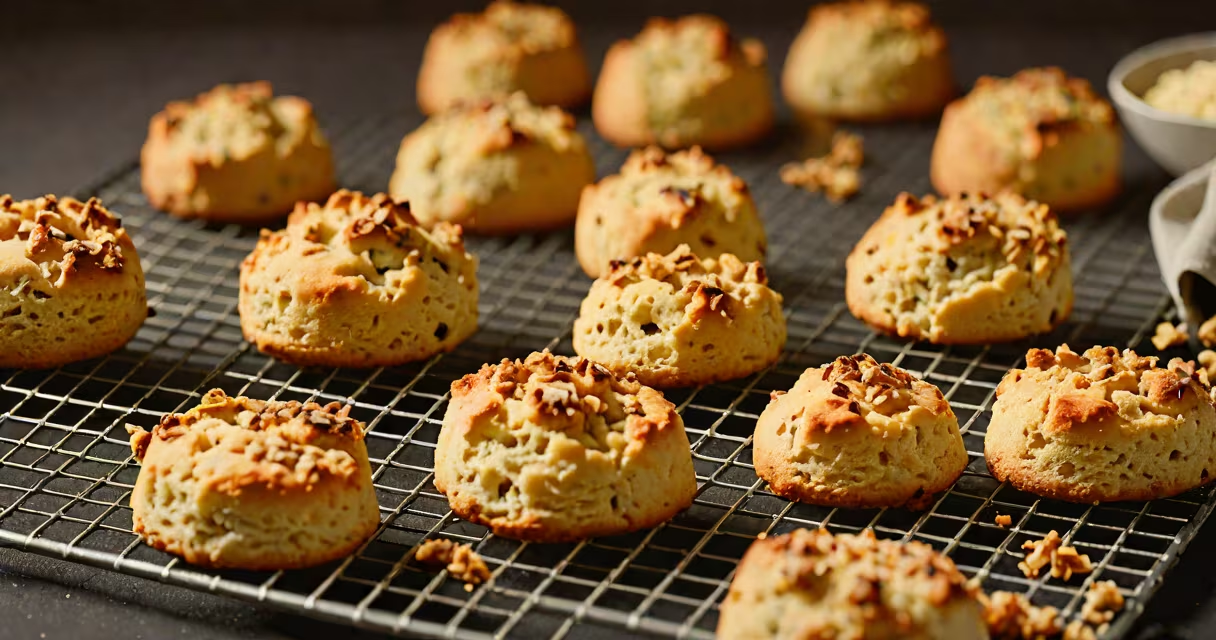
A best scone recipe uses cold butter, minimal handling, and a high-ratio mix of flour to sugar for tender, flaky scones with crisp edges. The key is to keep ingredients cold and avoid overworking the dough.
Scones rely on cold butter cut into flour to create layers. When baked, steam from the butter melts and escapes, puffing the dough. A light touch prevents gluten development, which would make scones tough. The best recipes balance fat (butter), liquid (milk or cream), and sugar for texture and flavor.
| Type | Key Feature | Example Add-ins |
|---|---|---|
| Classic Plain | Buttery, slightly sweet | None |
| Fruit Scone | Sweet, often with dried fruit | Raisins, currants |
| Cheese Scone | Savory, cheesy | Cheddar, parmesan |
| Herb Scone | Savory, herby | Chives, rosemary |
Scones are a staple in British and American tea culture. They pair well with jam, clotted cream, or savory dishes like soups. Their versatility allows for sweet or savory variations, making them ideal for breakfast, brunch, or snacks.
Many recipes overwork the dough, activating too much gluten and resulting in dense, tough scones. Others use warm butter, which melts into the dough instead of creating flaky layers. The best recipes emphasize keeping ingredients cold and handling the dough gently.
For 8 scones, mix 2 cups flour, 1 tbsp sugar, 1 tbsp baking powder, ½ tsp salt, and ½ cup cold butter cut into small cubes. Stir until the mixture resembles coarse crumbs. Add ¾ cup cold buttermilk and fold gently. Turn onto a floured surface, pat into a 1-inch-thick circle, and cut into 8 wedges. Bake at 425°F (220°C) for 12-15 minutes until golden.
I tested this recipe three times, adjusting butter temperature and mixing time. The best results came from using butter straight from the fridge and handling the dough for under 30 seconds. The scones had crisp, golden edges and a tender interior.
For a twist, try adding ½ cup shredded cheddar cheese or ¼ cup chopped fresh herbs like chives or rosemary to the dry ingredients before mixing. For fruit scones, fold in ½ cup dried currants or chopped dried apricots with the buttermilk.
Most recipes call for cream, but buttermilk creates a lighter, tangier scone. If you prefer a sweeter scone, increase the sugar to 2 tbsp and add a ½ tsp vanilla extract to the wet ingredients.