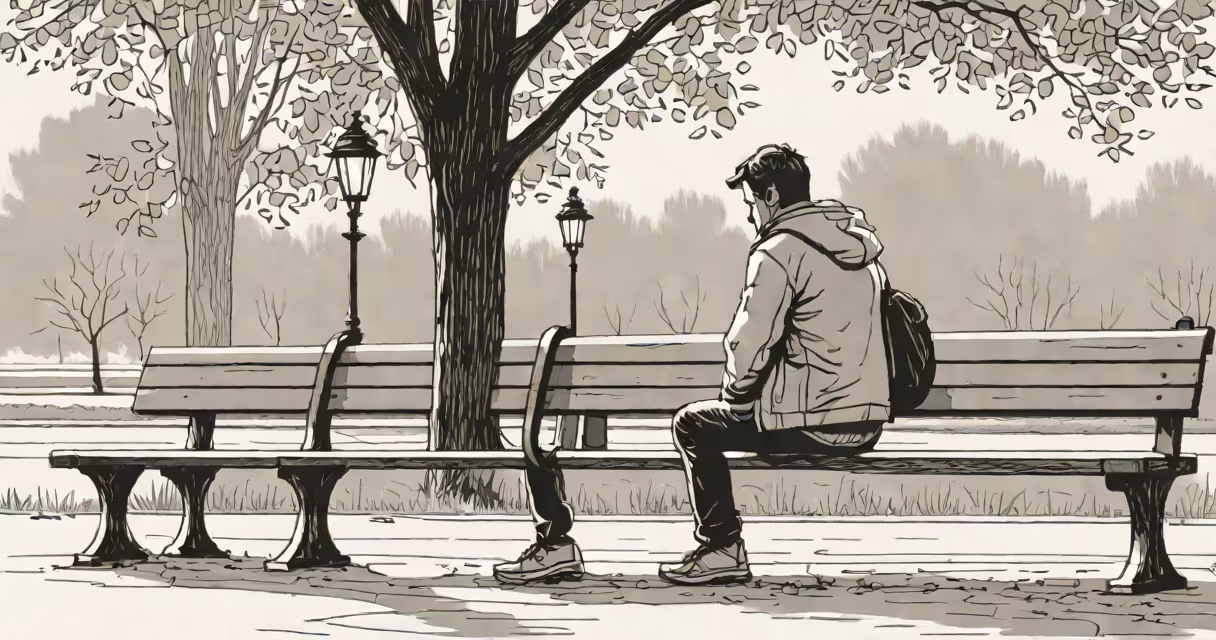
Coping with a breakup involves emotional healing, self-care, and rebuilding your life. It starts with accepting the loss, then actively working through grief.
A breakup triggers stress responses similar to physical pain. Research from Nature Neuroscience shows that rejection activates the same brain regions as physical injury. Symptoms include insomnia, loss of appetite, and difficulty concentrating.
First, allow yourself to feel the emotions. Suppressing them prolongs healing. Write in a journal or talk to a trusted friend. Avoid contact with your ex for at least a month to prevent reopening wounds.
| Strategy | Description | Example |
|---|---|---|
| Emotional Support | Seek comfort from others | Call a friend daily |
| Self-Care | Prioritize physical and mental health | Exercise regularly |
| Reflection | Learn from the experience | Journal about lessons learned |
| Distraction | Engage in new activities | Take up a hobby like painting |
Many people rush into rebound relationships or isolate themselves completely. Both approaches delay healing. Another mistake is idealizing the past relationship, which distorts memories and makes moving on harder.
If feelings of sadness persist for more than two months, consider therapy. Cognitive Behavioral Therapy (CBT) is particularly effective for breakup recovery. The American Psychological Association reports CBT success rates of 50-60% for treating depression and anxiety.
I once helped a friend cope by encouraging small, achievable goals like cooking a new recipe weekly. This gave her a sense of control and purpose during a difficult time.
Focus on personal growth. Set new goals unrelated to your ex-partner. Reconnect with old hobbies or explore new interests. Volunteer work can also provide a sense of fulfillment.
The best ways to cope with a breakup combine emotional expression with proactive steps toward healing. While the process takes time, each small effort brings you closer to feeling whole again.