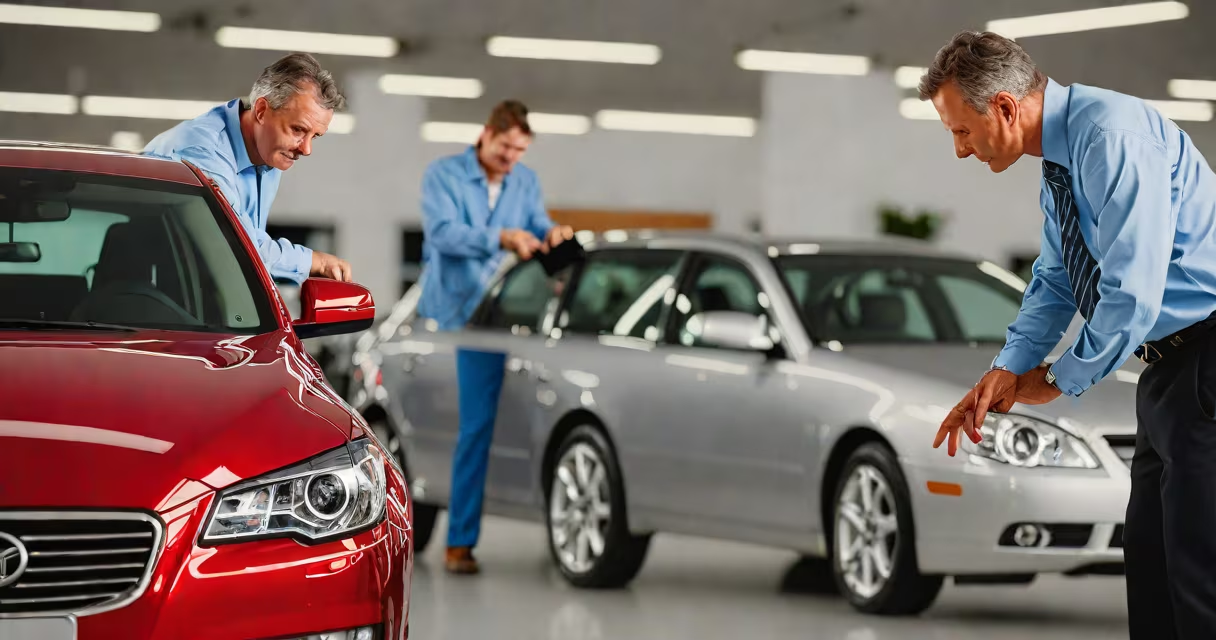
Best trade in value refers to the highest monetary offer you can receive when exchanging an old item-like a car, phone, or electronics-for credit toward a new purchase. Dealers determine trade-in value based on condition, demand, and market pricing.
Trade-in values are typically lower than private sale prices because dealers account for reconditioning costs and resale risks. For cars, dealerships use tools like CarMax's appraisal system to assess factors such as mileage, accident history, and local demand. Apple's iPhone trade-in program, for example, offers discounts on new models in exchange for older devices, regardless of condition.
| Type | Example | Typical Value Range |
|---|---|---|
| Cars | 2018 Toyota Camry with 45,000 miles | $12,000-$16,000 |
| Phones | iPhone 12 in good condition | $150-$300 |
| Electronics | Used MacBook Pro | $500-$1,200 |
To get the best trade in value, clean the item thoroughly, gather service records, and compare offers from multiple buyers. For cars, a detailed inspection report can justify higher offers. When trading in electronics, remove personal data and include original accessories. Dealers often provide instant online estimates, but in-person appraisals may yield better results due to negotiation.
Many people assume trade-in values are fixed, but they fluctuate based on market conditions. For instance, SUV trade-in values spiked during the pandemic due to high demand. Another myth is that trade-ins always result in lower offers than private sales. While this is often true, trade-ins save time and eliminate sale risks, making them valuable for some sellers.
When trading in my 2017 Honda Accord last year, I received three offers: $11,200 from CarMax, $10,800 from a local dealer, and $12,500 from a private buyer. Though the private sale offered the highest value, the trade-in process was faster and stress-free. I chose CarMax's offer and applied the full amount toward a new vehicle, completing the transaction in under two hours.
Trade-ins provide convenience and speed but typically offer 10-20% less than private sales. However, private sales require marketing, negotiations, and safety precautions when meeting buyers. For high-value items like luxury cars or rare electronics, private sales often yield better financial returns. For most everyday transactions, trade-ins offer a balanced approach.
Dealers like CarMax and Costco Auto Program specialize in trade-ins, often providing transparent, no-haggle offers. Retailers such as Best Buy and Amazon also accept electronics trade-ins, sometimes bundling discounts on new purchases. Always compare at least three offers before deciding. Some dealerships may match competitors' offers if presented with documentation.
Best trade in value depends on your priorities: time savings, convenience, or maximum cash. Research current market trends and prepare your item to attract the highest offers. Whether trading in a car, phone, or other valuables, comparing multiple buyers ensures you receive fair compensation while simplifying the upgrade process.