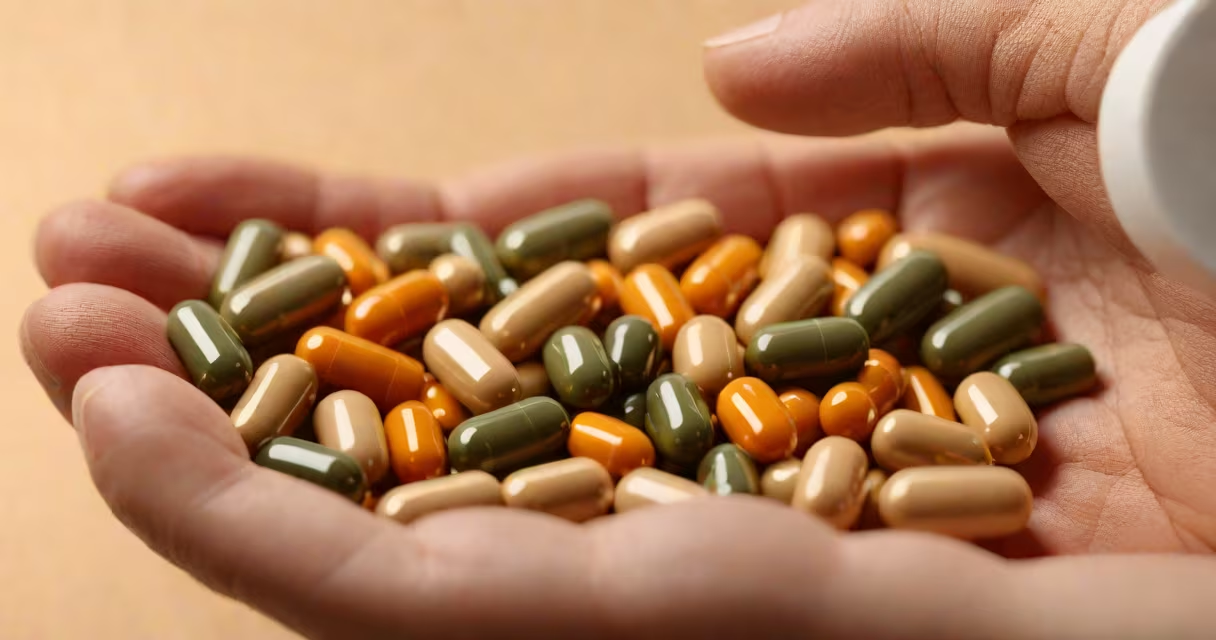
The best vitamin for hair loss in females varies by cause, but key nutrients like biotin, vitamin D, and iron are frequently recommended to support hair growth.
Hair follicles require specific vitamins and minerals to grow and repair. Deficiencies in these nutrients can lead to thinning or shedding. For example, low iron levels are linked to telogen effluvium, a temporary hair loss condition.
| Vitamin/Mineral | Role in Hair Growth | Recommended Daily Intake |
|---|---|---|
| Biotin | Supports keratin production, a protein in hair | 30 mcg |
| Vitamin D | Stimulates hair follicle cycling | 600 IU |
| Iron | Prevents anemia-related hair loss | 18 mg |
| Zinc | Repairs tissue and supports oil gland function | 8 mg |
Many people assume that taking high doses of biotin will stop hair loss entirely. However, excessive biotin can interfere with lab tests, such as thyroid function tests. Always consult a doctor before supplementing.
A 32-year-old woman noticed increased shedding six months postpartum. A blood test revealed low ferritin levels, indicating iron deficiency. After taking an iron supplement for three months, her hair regrowth improved. This aligns with research showing that correcting iron deficiency can restore hair thickness.