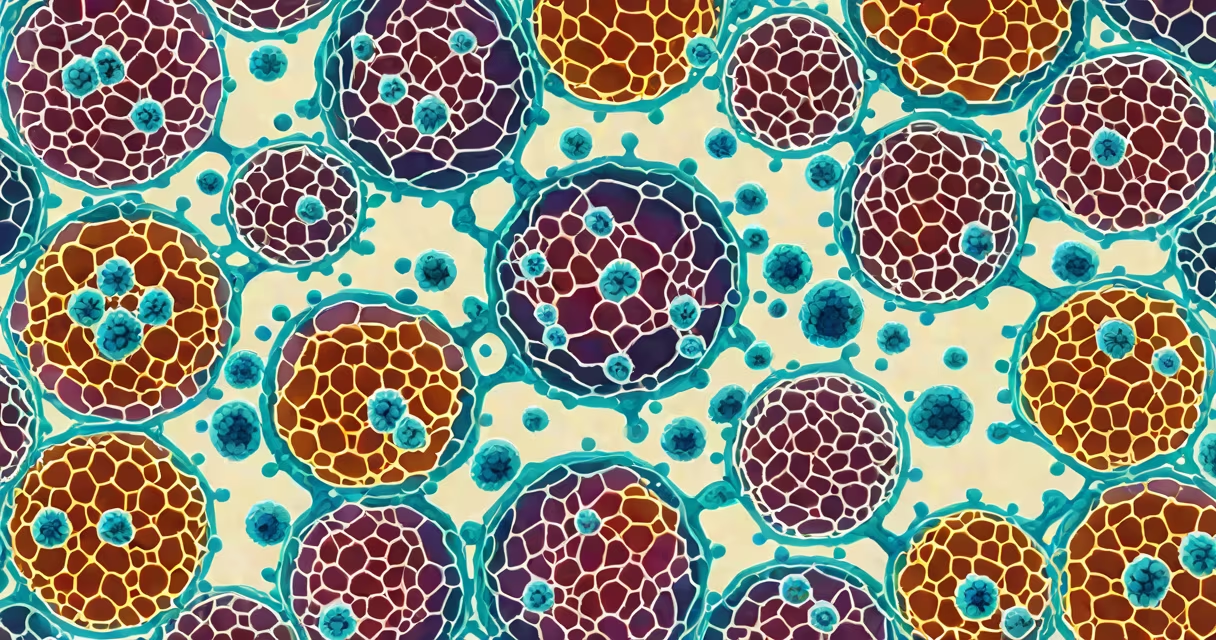
A bio stem cell is an undifferentiated cell capable of renewing itself indefinitely and differentiating into specialized cell types. These cells serve as the foundation for all tissues and organs in the body.
Bio stem cells function through two key processes: self-renewal and differentiation. Self-renewal allows them to produce identical copies of themselves, while differentiation enables them to develop into specific cell types, such as muscle, bone, or nerve cells. This versatility makes them important for healing and tissue regeneration.
There are several types of bio stem cells, each with distinct characteristics:
| Type | Source | Differentiation Potential |
|---|---|---|
| Embryonic Stem Cells | Early-stage embryos | Pluripotent (can become any cell type) |
| Adult Stem Cells | Various tissues in adults (e.g., bone marrow, fat) | Multipotent (limited to certain cell types) |
| Induced Pluripotent Stem Cells (iPSCs) | Reprogrammed adult cells | Pluripotent (similar to embryonic stem cells) |
Embryonic stem cells are pluripotent, meaning they can differentiate into any cell type in the body. Adult stem cells, found in various tissues like bone marrow and fat, are multipotent and can only differentiate into a limited range of cell types specific to their tissue of origin. Induced pluripotent stem cells (iPSCs) are created by reprogramming adult cells to a pluripotent state, offering similar potential to embryonic stem cells without the ethical concerns associated with embryo use.
Researchers are exploring other applications, including treating neurological disorders like Parkinson's disease and diabetes by regenerating damaged cells. Clinical trials are ongoing to assess the safety and efficacy of these therapies.
One common misconception is that all stem cells are alike. In reality, they vary in their origins and capabilities. Embryonic stem cells, for example, are pluripotent, while adult stem cells are typically multipotent. Another misconception is that stem cell therapy is a cure-all. While promising, these treatments are still in developmental stages and require rigorous testing.
Some people confuse bio stem cells with cancer cells. While both can divide rapidly, stem cells are regulated and controlled, whereas cancer cells grow uncontrollably. Understanding these distinctions is important for accurate public perception and informed medical decisions.
The field of bio stem cell research is rapidly advancing. Scientists are working on improving the efficiency and safety of stem cell therapies. For example, researchers are developing methods to direct the differentiation of stem cells into specific cell types more precisely, enhancing their therapeutic potential., advancements in gene editing technologies, such as CRISPR, are being explored to correct genetic defects in stem cells before transplantation.
In my experience working with stem cell cultures, I've seen firsthand how delicate and precise these processes are. Any deviation in conditions can impact the outcome, highlighting the importance of controlled environments and meticulous protocols in research.