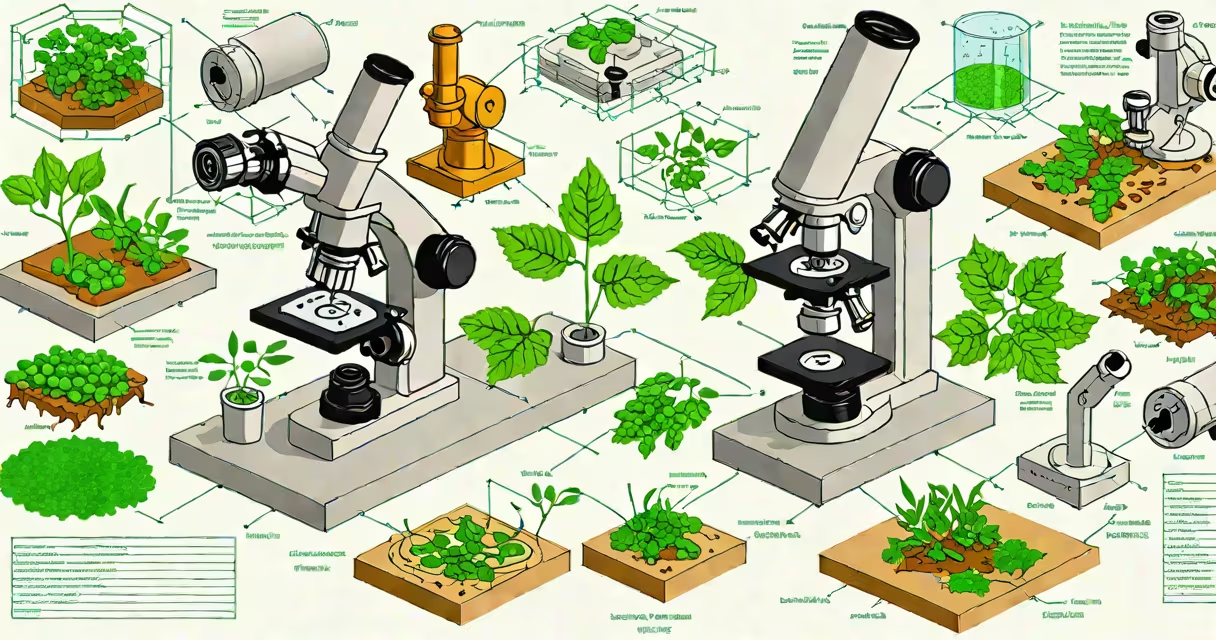
Biology Unit 1 introduces core concepts like cell theory, biological organization, and scientific inquiry methods. This foundational unit typically begins high school or introductory college biology courses.
The unit establishes key principles through hands-on labs and observations. Students learn to use microscopes, examine cells, and apply the scientific method. Most programs require 3-5 weeks to complete this material.
Biology Unit 1 typically includes:
Many students confuse units of gravity with biological units of measurement. While gravity measurements use meters per second squared (m/s²), biologists primarily use micrometers (µm) for cell dimensions - about 0.001 millimeters.
A common mistake is assuming all cells are visible to the naked eye. In reality, most bacteria and human cells require magnification of 400x or more to observe details.
During my time teaching biology, I had students examine onion cells using basic light microscopes. We compared their observations with images from electron microscopes, highlighting how different tools reveal varying levels of cellular detail. This practical exercise demonstrated the importance of proper magnification and preparation techniques.
Understanding these basics is important for grasping more complex biological concepts later. The National Science Teaching Association emphasizes that proper foundational knowledge prevents misconceptions in advanced topics like genetics and physiology.