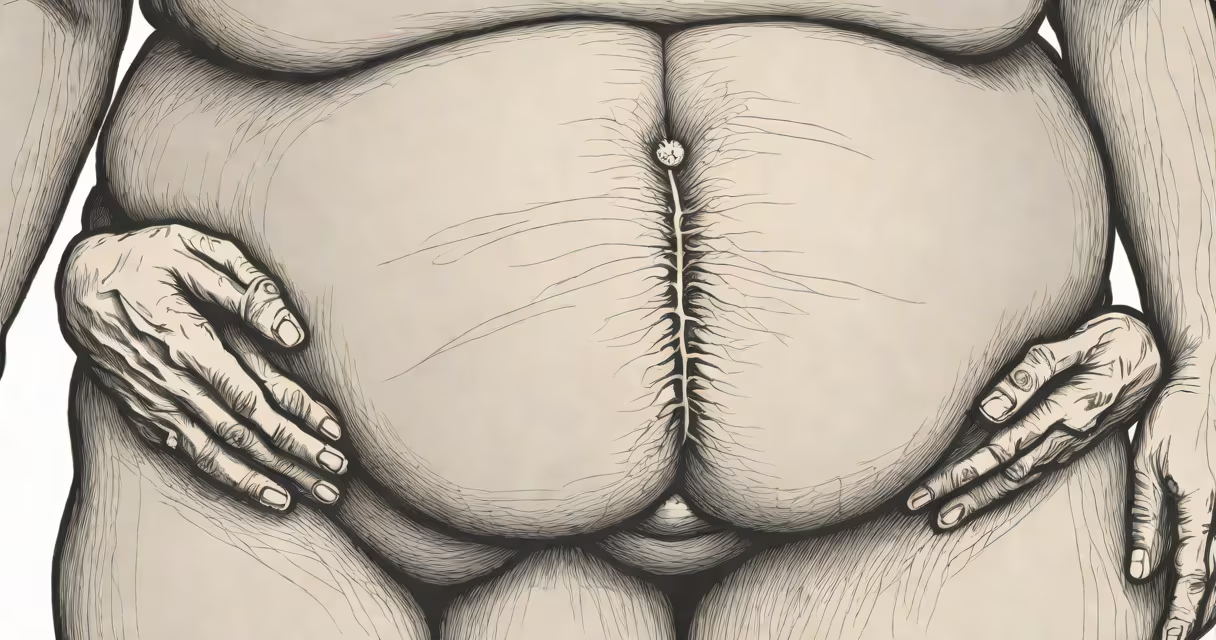
Bloated belly cramps are painful contractions in an enlarged abdomen, typically caused by gas, indigestion, or food intolerances. These cramps occur when the digestive system struggles to process food efficiently, leading to discomfort and swelling.
The digestive system produces gas as it breaks down food. Normally, this gas passes through the intestines and exits the body. However, if gas production exceeds the body's ability to expel it, pressure builds up, causing cramps and bloating. This often happens due to overeating, eating too quickly, or consuming gas-producing foods like beans, cabbage, or carbonated drinks.
Common causes include:
While occasional bloated belly cramps are usually harmless, persistent or severe symptoms may indicate a more serious condition. Consult a healthcare provider if cramps are accompanied by vomiting, diarrhea, or blood in the stool. Chronic bloating and cramps could signal conditions like celiac disease or inflammatory bowel disease (IBD).
One common misconception is that bloated belly cramps are always due to diet. While diet plays a significant role, other factors such as stress, hormonal changes, and certain medications can also contribute. For instance, nonsteroidal anti-inflammatory drugs (NSAIDs) like ibuprofen can irritate the stomach lining, leading to bloating and cramps.
To alleviate bloated belly cramps, try these remedies:
For a fully worked example, consider Sarah, who experienced bloated belly cramps after a heavy meal. She drank a glass of warm water with lemon, took a short walk, and avoided lying down immediately after eating. Within an hour, her symptoms subsided.
Adopt these habits to reduce the likelihood of bloated belly cramps:
Most cases of bloated belly cramps resolve with simple lifestyle adjustments. However, if symptoms persist or worsen, seek medical evaluation to rule out underlying conditions.