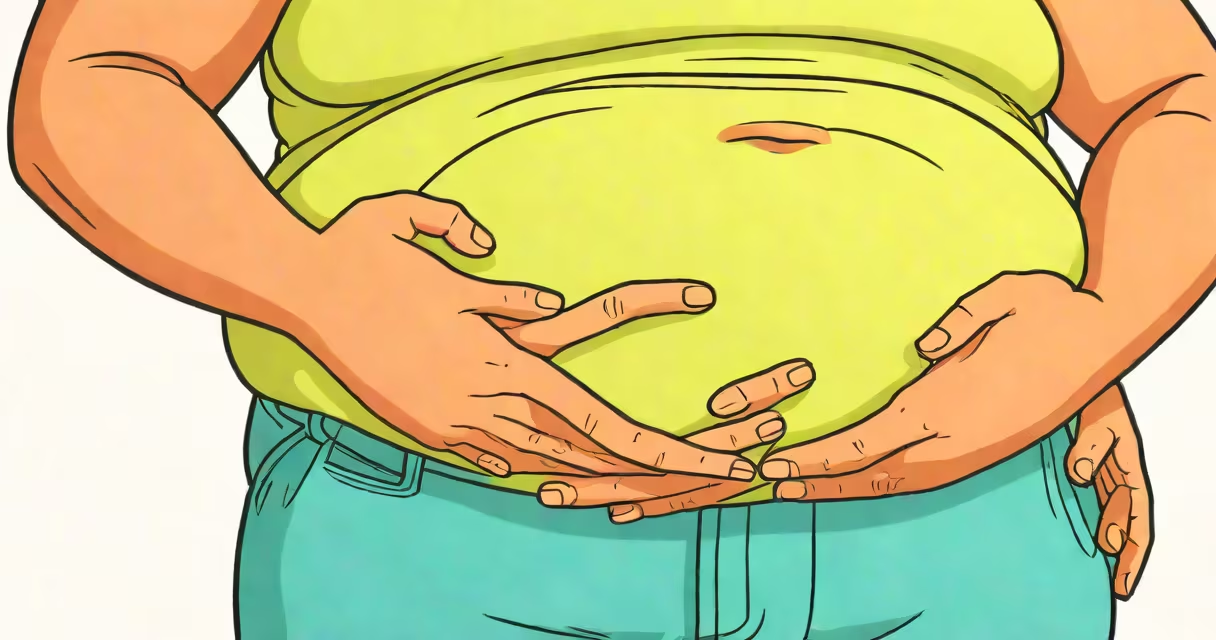
A bloated distended stomach occurs when gas, fluid, or food creates excess pressure in your abdomen. This common condition often makes your stomach feel swollen and tight. Bloating typically happens when the stomach is filled with air or gas.
Your stomach expands when it fills with gas, fluid, or undigested food. This expansion stretches the stomach lining, triggering nerves that signal discomfort. Unlike visible swelling from fat or fluid buildup, bloating usually subsides within hours.
Common causes include:
Less common causes include ascites (fluid buildup in the abdomen) or ovarian cysts. Severe bloating that doesn't go away may indicate a serious condition like cancer.
See a doctor if bloating lasts longer than three weeks, happens with vomiting, or causes weight loss. These symptoms could indicate a serious condition. A doctor can diagnose the cause through physical exams, blood tests, or imaging scans.
To relieve bloating, try:
For persistent bloating, identify and avoid trigger foods. Probiotics may also help balance gut bacteria and reduce bloating.
Many people believe bloating is always caused by overeating or poor digestion. While these are common causes, bloating can also result from medical conditions like irritable bowel syndrome (IBS) or gastrointestinal infections. Another myth is that bloating only affects overweight individuals. In reality, anyone can experience bloating regardless of body size.
Bloating is often temporary and harmless. However, if it persists or worsens, seek medical advice to rule out serious conditions. Understanding the causes and relief methods can help manage and prevent bloating effectively.