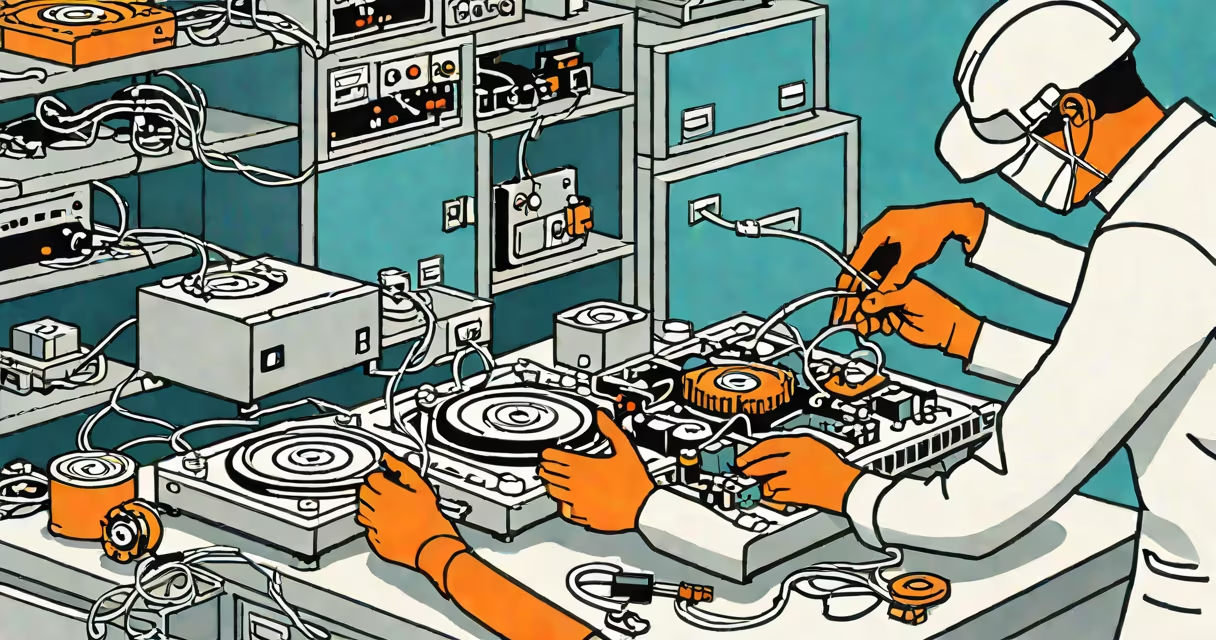
Broken hard drive recovery retrieves lost data from physically or logically damaged storage devices using specialized tools and techniques. This process addresses both mechanical failures (like read/write heads crashing) and logical issues (such as file system corruption).
Recovery methods vary by damage type. For physical failures, technicians work in cleanrooms to repair components like damaged circuit boards or replace failed parts. Logical failures often require software tools to reconstruct file systems.
| Failure Type | Common Causes | Recovery Approach |
|---|---|---|
| Mechanical Failure | Physical damage to platters, heads, or motor | Cleanroom repair + specialized hardware |
| Logical Failure | File system corruption, accidental deletion | Software-based reconstruction |
| Electronic Failure | Power surges, circuit board damage | Component replacement + data extraction |
Professionals succeed where DIY fails because they have access to specialized equipment like PC-3000 controllers. According to the National Association of Data Recovery Professionals, successful recoveries drop below 20% for severely damaged drives without professional tools.
Many assume recovery is always possible, but severely damaged drives often yield partial results. Another myth is that recovery erases remaining data-professional services prioritize non-destructive methods.
Regular backups remain the best defense against hard drive failure. Tools like Macrium Reflect create disk images, while cloud services offer offsite redundancy. For critical data, implement the 3-2-1 rule: 3 copies, 2 different media types, 1 offsite backup.