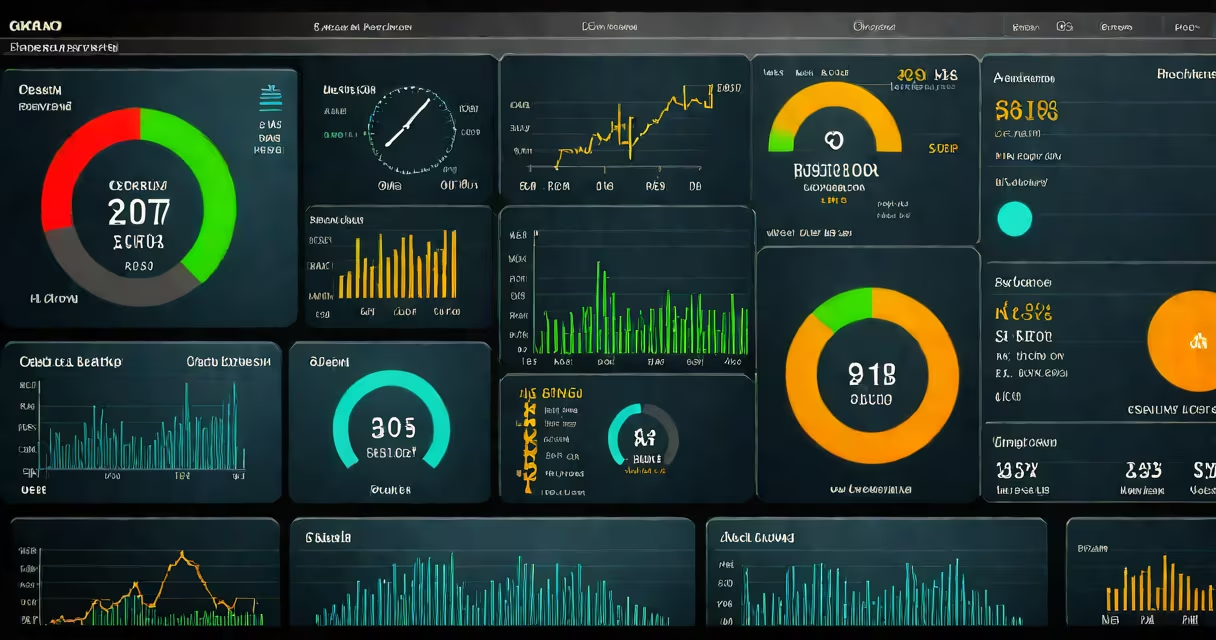
Business analytics companies specialize in transforming raw data into actionable insights that drive strategic decisions. These firms combine software, statistical methods, and domain expertise to help organizations improve performance.
These companies collect data from various sources, clean and process it, then apply analytical techniques to uncover patterns and trends. For example, a retail analytics firm might analyze customer purchase history to predict future buying behavior.
| Type | Description | Example Use Case |
|---|---|---|
| Descriptive Analytics | Summarizes historical data to understand past performance | Monthly sales reports |
| Predictive Analytics | Uses statistical models to forecast future outcomes | Customer churn prediction |
| Prescriptive Analytics | Recommends actions based on predictive insights | Changing pricing strategies |
Companies across industries rely on analytics to improve efficiency, reduce costs, and improve customer experiences. A healthcare provider might use analytics to improve patient scheduling, while a manufacturer could track equipment performance to prevent downtime.
Many businesses confuse business analytics with basic reporting. While reports summarize data, analytics goes further by identifying trends and recommending actions. For instance, a sales report shows last quarter's revenue, but analytics predicts next quarter's performance based on current trends.
I worked with a business analytics company that helped a mid-sized e-commerce retailer reduce cart abandonment by 20%. The firm analyzed user behavior data, identified points where customers dropped off, and recommended UI changes that improved conversion rates.
According to McKinsey & Company, companies that use customer insights outperform peers by 85% in sales growth. Business analytics companies provide the tools and expertise needed to achieve these results.