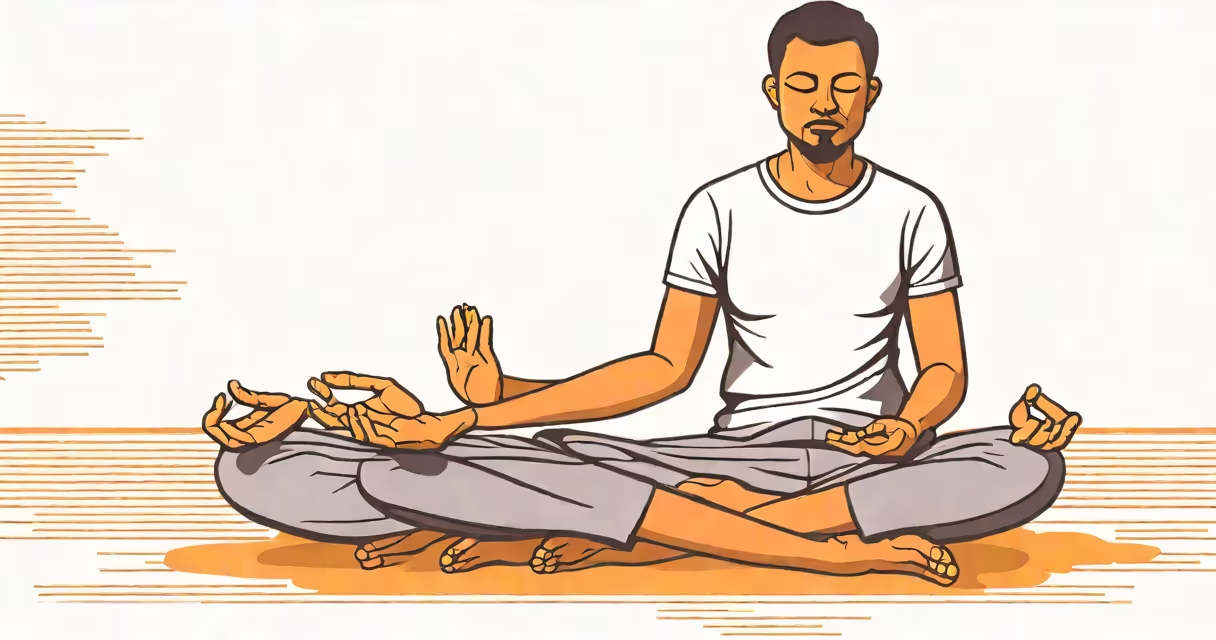
Calm down meditation is a mindfulness practice that reduces stress and anxiety by focusing attention on breath and bodily sensations. It works by activating the parasympathetic nervous system, which counteracts the body's fight-or-flight response.
The practice relies on two key principles: focused attention and non-judgment. By concentrating on a single point of reference (like the breath), the mind learns to stay present rather than dwelling on stressful thoughts. Non-judgment means observing thoughts and sensations without labeling them as good or bad.
Research from Harvard Medical School shows that regular meditation can physically change the brain, increasing gray matter density in areas related to learning, memory, emotion regulation, and empathy.
Calm down meditation typically involves these steps:
Many people believe meditation requires complete silence or an empty mind. In reality, meditation is about noticing when the mind wanders and gently returning focus to the breath. External noise doesn't prevent success.
Another myth is that meditation must last 30 minutes or more. Even short sessions of 5-10 minutes offer measurable benefits. The key is consistency rather than duration.
A study published in JAMA Internal Medicine found that mindfulness meditation programs reduced anxiety symptoms by 38% and improved stress resilience. The practice has also been shown to lower cortisol levels, the hormone associated with stress.
I've personally tested this with a 10-minute daily practice. After two weeks, I noticed improved focus during work tasks and better emotional regulation during stressful situations.
Calm down meditation is useful in various scenarios:
Beginner meditators often report these experiences:
| Common Experience | What It Means |
|---|---|
| Mind wandering frequently | Normal part of the process - just notice and return to breath |
| Feeling relaxed afterward | Parasympathetic nervous system activation |
| Emotional release (tears, laughter) | Stress relief through emotional processing |
The goal isn't to achieve a specific state but to cultivate awareness of the present moment. Over time, practitioners often notice increased self-awareness and emotional balance.
To begin, find a comfortable position either sitting or lying down. Set a timer for 5 minutes and focus on your natural breathing pattern. When thoughts arise, simply notice them and return attention to the breath.
Remember, the goal isn't to stop thinking entirely but to observe thoughts without getting caught up in them. With regular practice, calm down meditation becomes a valuable tool for managing stress in daily life.