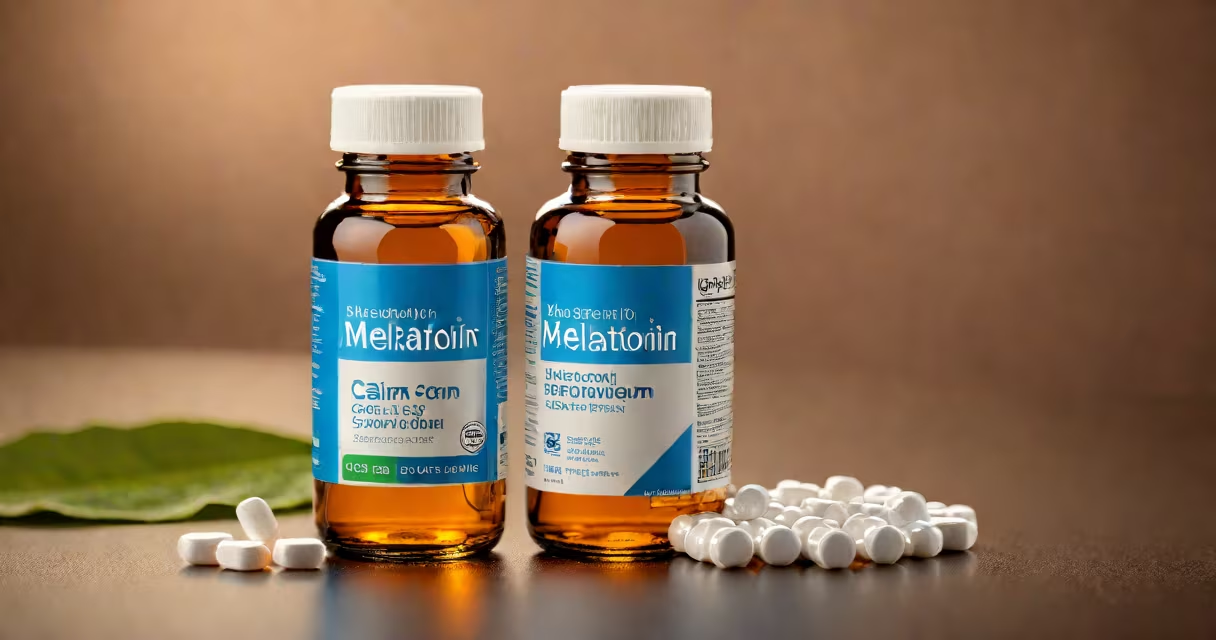
Melatonin is a hormone produced by your pineal gland that regulates sleep-wake cycles. While primarily known for promoting sleep, melatonin may also help calm you down by reducing anxiety and stress levels.
Melatonin interacts with receptors in your brain, particularly those involved in mood regulation. It helps lower cortisol levels, the stress hormone that keeps you alert and anxious. By reducing cortisol, melatonin can create a sense of calmness, making it easier to relax and fall asleep.
Melatonin supplements come in various forms, including:
Many people turn to melatonin when they struggle with stress, anxiety, or insomnia. Unlike prescription sleep aids, melatonin is generally safe for short-term use and doesn't cause dependency. However, it's not a cure-all-it works best when combined with good sleep hygiene practices.
For example, someone dealing with jet lag might take melatonin to reset their internal clock and reduce stress from disrupted sleep patterns. Others use it before bedtime to unwind after a long day.
One misconception is that melatonin is a sedative. Unlike benzodiazepines or antihistamines, melatonin doesn't force you to sleep-it simply signals to your body that it's time to wind down. Another mistake is assuming higher doses work better; excessive melatonin can lead to grogginess or headaches.
According to the National Institutes of Health, most studies suggest doses between 0.5 mg and 5 mg are effective for sleep support. Taking more than necessary won't improve benefits and may cause unwanted side effects.
I tried melatonin a few years ago during a period of high stress. After taking a 3 mg extended-release tablet about an hour before bed, I noticed a significant difference in how quickly I relaxed. My racing thoughts slowed, and I fell asleep faster than usual. While it wasn't a magical solution, it helped me establish a healthier sleep routine.
Melatonin can be a useful tool for relaxation, but it works best as part of a broader approach to managing stress and improving sleep.