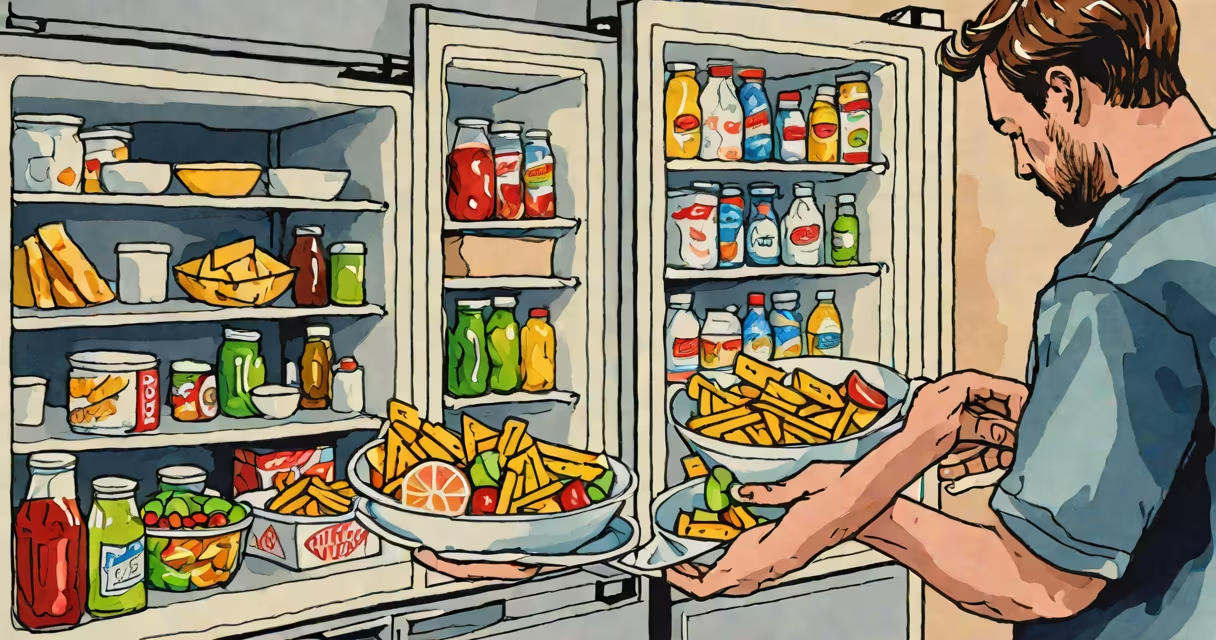
Can't stop eating at night? This urge to consume food late at night, often beyond hunger cues, is a recognized phenomenon with physical and psychological roots. It can range from occasional late-night snacking to a compulsive behavior pattern.
The brain's reward system plays a key role. High-calorie, palatable foods trigger dopamine release, creating a pleasurable feedback loop. Stress, boredom, or poor sleep can disrupt hunger hormones like ghrelin and leptin, increasing nighttime cravings. Some medications may also contribute.
Night eating can manifest in several ways:
Research shows about 1.5% of adults meet criteria for NES, with higher rates among those seeking weight loss treatment (Goel et al., 2009).
Several factors contribute to night eating:
| Physical Factors | Psychological Factors |
|---|---|
| Poor sleep quality | Stress and anxiety |
| Skipping meals earlier in the day | Boredom or loneliness |
| Hormonal imbalances | Emotional eating patterns |
I noticed this pattern firsthand when working night shifts - the combination of disrupted circadian rhythms and increased access to vending machines created a perfect storm for late-night eating.
Many assume night eating is purely about willpower. In reality, it's often tied to biological factors. Another myth is that it only affects people trying to lose weight - research shows it occurs across BMI ranges. The condition also differs from simple overeating: those with NES typically feel awake and aware during episodes.
To address night eating: