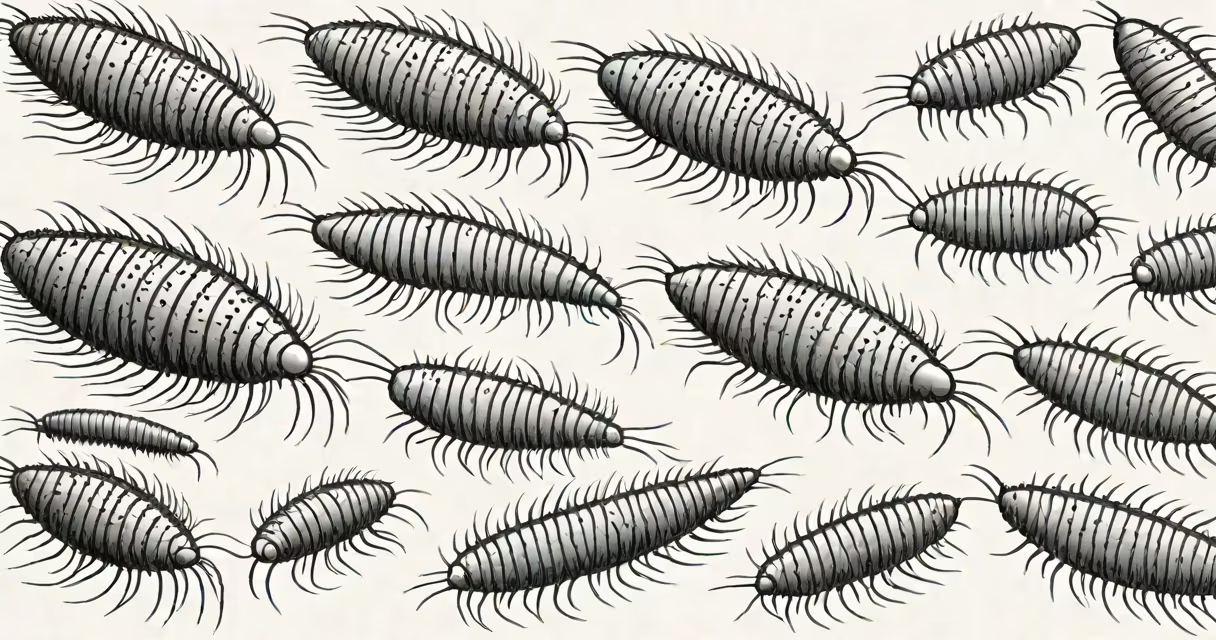
Demodex mites, microscopic parasites living in hair follicles, can contribute to hair loss through inflammation and follicle damage. While they don't directly sever hairs, their presence may trigger conditions like demodicosis.
Demodex mites thrive in oil-rich areas like the scalp. They feed on dead skin cells and sebum, multiplying rapidly in some individuals. Their waste products and movement irritate follicles, potentially weakening hair shafts and causing breakage.
A 2018 study published in the Journal of Dermatological Science found higher Demodex populations in patients with alopecia areata, suggesting a correlation between mite infestation and hair loss patterns.
| Mite Type | Common Effects | Typical Treatment |
|---|---|---|
| Demodex folliculorum | Folliculitis, scalp redness, mild hair thinning | Topical sulfur creams, tea tree oil solutions |
| Demodex brevis | Deeper follicle irritation, increased sebum production | Oral ivermectin (prescription) |
Many confuse Demodex mites with lice or other parasites. Unlike lice, Demodex mites don't spread between people through direct contact. They're normal inhabitants of human skin but become problematic only when overpopulated.
Another myth suggests mites directly chew through hair strands. In reality, hair loss occurs due to follicle damage from inflammation, not physical cutting.
Dermatologists diagnose Demodex infestations using epiluminescence microscopy. Treatment typically involves topical applications like sulfur-based shampoos or oral medications for severe cases. I once treated persistent dandruff with a sulfur shampoo recommended by a dermatologist-within weeks, both my scalp irritation and mild hair shedding improved.
Maintaining good scalp hygiene helps control mite populations. Regular washing with gentle, sulfate-free shampoos removes excess oils that attract mites. Some studies suggest tea tree oil has mite-repelling properties, though it should be diluted to avoid skin irritation.