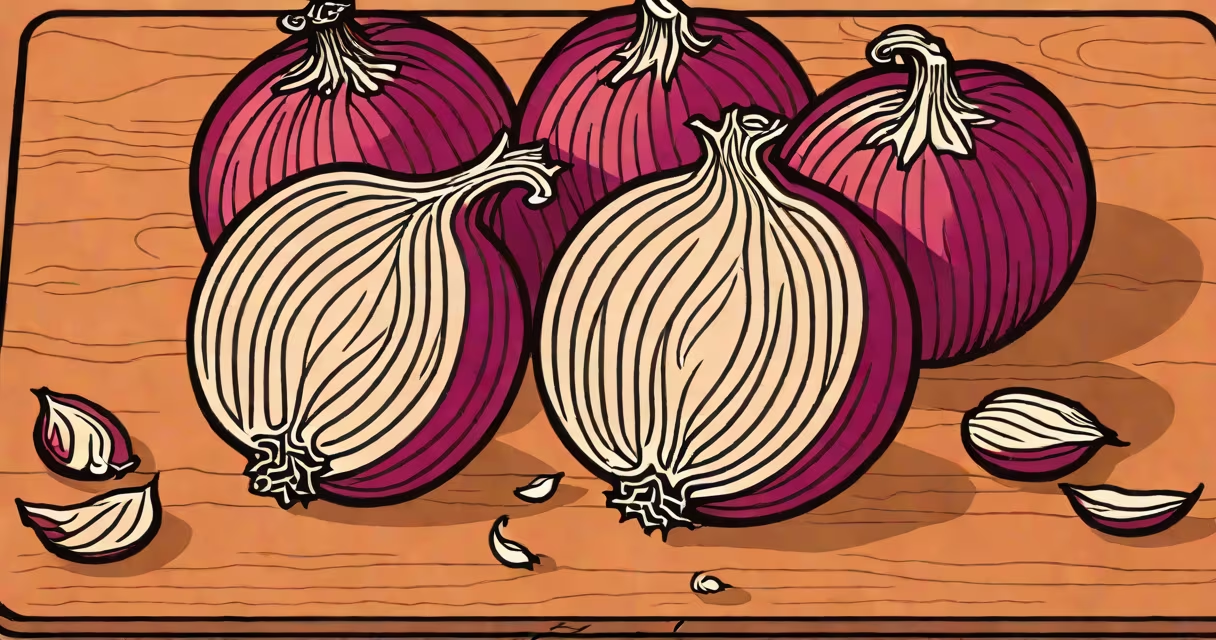
Onions can cause bloating in sensitive individuals due to their high FODMAP content, which ferments in the gut and produces gas. This effect is particularly pronounced in people with irritable bowel syndrome (IBS) or other digestive sensitivities.
Onions contain fructans, a type of fermentable oligosaccharide that belongs to the FODMAP group. These carbohydrates are poorly absorbed in the small intestine and reach the large intestine intact, where gut bacteria ferment them. This process produces gas, leading to bloating, distension, and discomfort.
All varieties of onions-red, yellow, white, and sweet-contain fructans. However, the concentration varies. For example, a study published in the journal Gastroenterology found that one medium-sized onion (about 100 grams) contains approximately 4-6 grams of fructans, enough to trigger symptoms in sensitive individuals.
People with IBS are most likely to experience bloating from onions. A 2012 study in the journal Alimentary Pharmacology & Therapeutics found that 70% of IBS patients reported symptom relief after reducing FODMAP intake. Onions are often a major culprit.
Even those without IBS may notice bloating after eating onions, especially in large quantities or when consumed raw. Cooking onions can reduce their FODMAP content slightly, but they still remain a high-risk food for many.
Some believe that only raw onions cause bloating, assuming cooking neutralizes the issue. While cooking does break down some compounds, it doesn't eliminate fructans entirely. Others think that peeling onions reduces their impact, but the majority of fructans are concentrated in the flesh, not the skin.
If you suspect onions trigger bloating, try eliminating them for two weeks while tracking your symptoms. If bloating improves, reintroduce onions gradually to confirm the connection. For those who still want to enjoy onions, consider swapping them with lower-FODMAP alternatives like garlic-infused oil or chives.