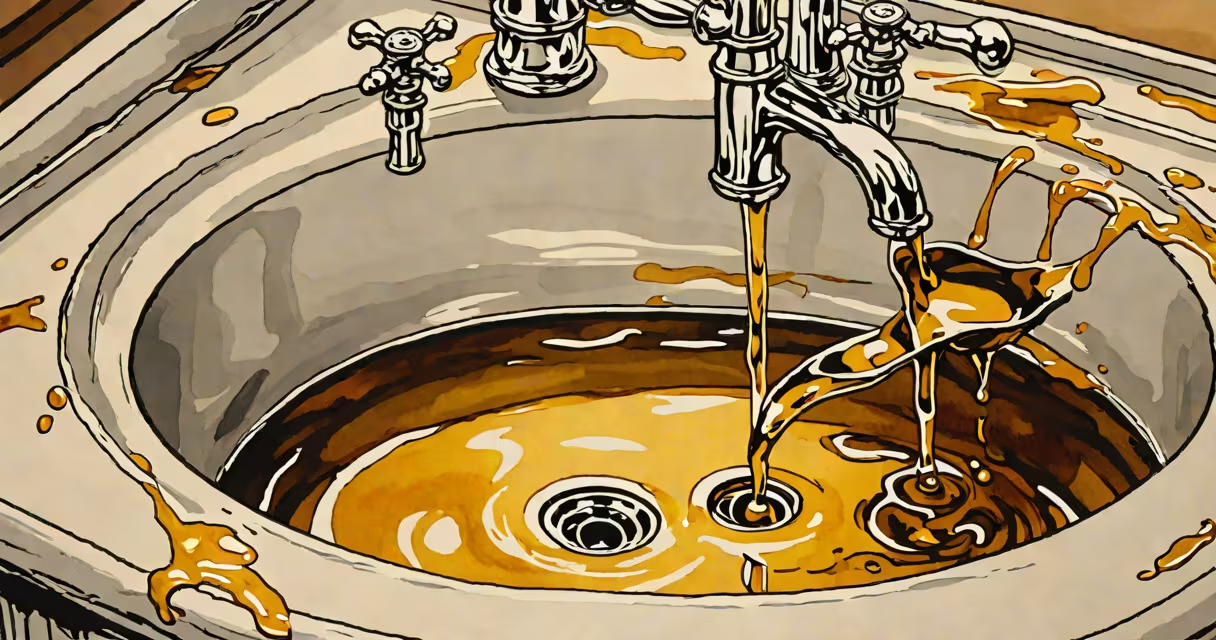
No, oil should never go down the drain. Cooking oils and fats solidify when they cool, forming stubborn clogs that damage pipes and wastewater systems.
When hot oil cools in pipes, it hardens into a waxy substance that sticks to pipe walls. Over time, this traps food particles and other debris, creating blockages called fatbergs-some weighing tons. The city of Baltimore spent $16 million in 2019 clearing fatbergs from its sewers.
| Oil Type | Melting Point | Clog Risk |
|---|---|---|
| Vegetable oil | 32°F (0°C) | High |
| Olive oil | 54°F (12°C) | Very high |
| Coconut oil | 76°F (24°C) | Extreme |
Even small amounts of oil mix with other waste, creating a glue-like layer that traps everything from toilet paper to sanitary products. A single tablespoon of oil can contaminate a million gallons of water.
At home, oil clogs slow drainage and require professional cleaning. For municipalities, it's worse: fatbergs cost U.S. cities $1 billion annually in repairs. In London, a 250-meter fatberg weighed 130 tons.
Many people assume dish soap breaks down oil, but it only emulsifies it temporarily. The oil resettles farther down the pipe, worsening clogs. Some plumbers report removing congealed oil mixed with wet wipes and diapers-materials that never belong in drains.
1. Let oil cool and solidify in the original container. 2. Wipe residual oil with a paper towel and throw it away. 3. Recycle cooking oil at local collection points or facilities that convert it to biodiesel.
I once watched a plumber remove a coconut oil clog from a restaurant drain. The hardened mass resembled soap but was impossible to dissolve without industrial tools. The restaurant had poured gallons daily for months.
Some think flushing hot water after oily dishes prevents clogs, but this only pushes oil deeper into pipes where it cools and solidifies. Others believe grease traps solve the problem, but traps require constant maintenance and still fail under heavy oil loads.
Use absorbent materials like cat litter or sawdust to soak up oil before disposal. Many cities offer curbside oil recycling programs that turn waste oil into fuel.
Oil belongs in the trash, not the drain. Proper disposal protects your pipes and the environment.