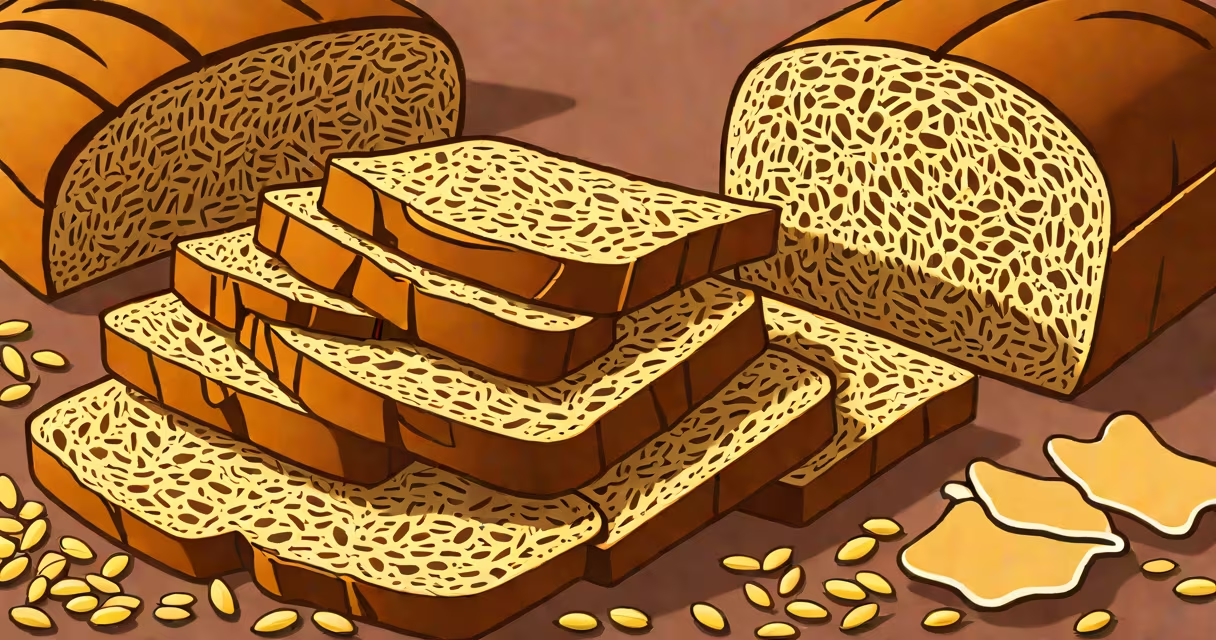
Rye bread can cause gas due to its high content of fermentable carbohydrates, which bacteria in the gut break down to produce gas. This is especially true for those with sensitivities to FODMAPs (fermentable oligosaccharides, disaccharides, monosaccharides, and polyols).
Rye contains fructans, a type of FODMAP that resists digestion in the small intestine and ferments in the large intestine. This process produces gas as a byproduct. The extent of bloating varies based on individual tolerance levels and gut microbiome composition.
Not all rye breads affect digestion equally. Here's how common varieties compare:
| Type | Fructan Content | Typical Gas Response |
|---|---|---|
| Light rye | Low | Minimal gas |
| Dark rye | High | Moderate to high gas |
| Sourdough rye | Reduced | Lower gas (fermentation reduces fructans) |
Individuals with irritable bowel syndrome (IBS) or small intestinal bacterial overgrowth (SIBO) often report more gas after eating rye bread. A 2017 study published in Gastroenterology found that 70% of IBS patients experienced symptom relief by reducing high-FODMAP foods like rye.
Last winter, I tested my tolerance to rye by eating dark rye bread daily for a week. By day three, I noticed increased bloating and gas, confirming my sensitivity to fructans. Switching to sourdough rye reduced these symptoms.
If you enjoy rye bread but want to minimize gas, try these strategies:
Rye bread can cause gas due to its fructan content, but effects vary by individual. If you experience bloating, opt for sourdough rye or lower-FODMAP alternatives. Always consult a healthcare provider for personalized advice.