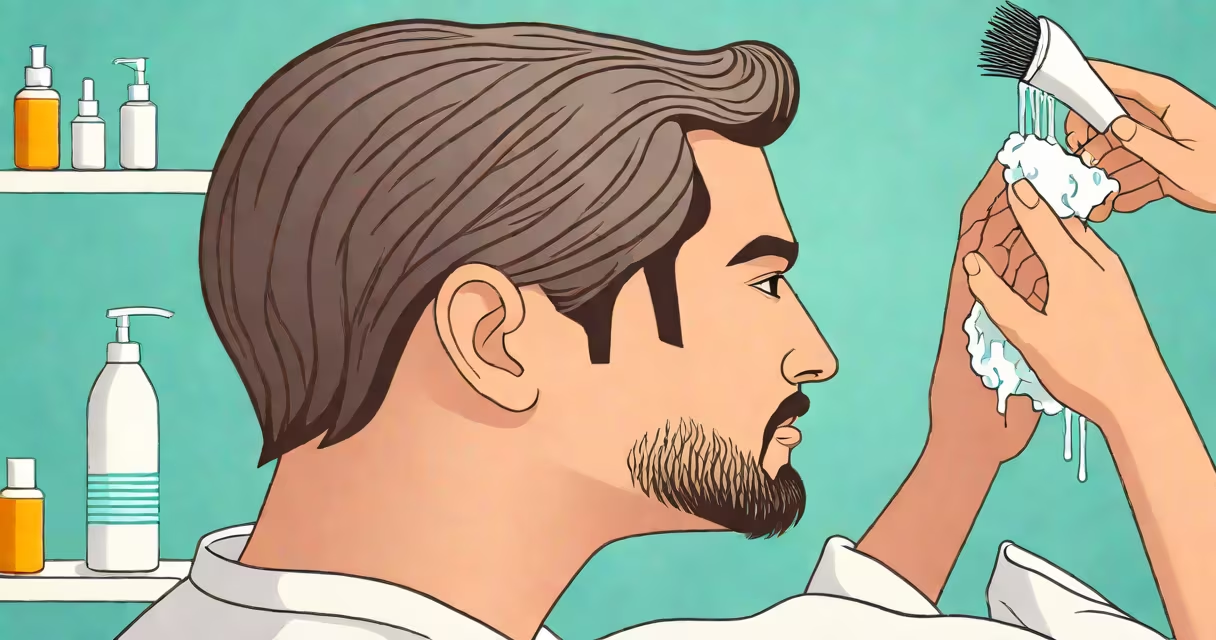
Yes, you can regrow hair in certain cases using FDA-approved treatments like minoxidil and finasteride. These work by stimulating hair follicles and slowing hair loss, but results vary by individual.
Hair regrowth targets inactive or miniaturized follicles. Minoxidil, a topical solution, extends the hair growth phase. Finasteride, an oral medication, blocks DHT, a hormone linked to hair loss. Both require consistent use for visible results.
| Treatment | How It Works | Effectiveness |
|---|---|---|
| Minoxidil | Vasodilator that stimulates blood flow to follicles | Visible regrowth in 3-6 months for some users |
| Finasteride | Blocks DHT, preventing follicle shrinkage | Slows loss and regrows hair in 3-12 months |
| Low-level laser therapy | Stimulates follicles with red light | Modest improvement for some users |
Many believe hair regrowth is guaranteed or permanent. In reality, treatments only work while in use. Stopping minoxidil often reverses gains within months. Finasteride requires ongoing use to maintain results.
Another myth is that natural remedies like coconut oil or rosemary oil regrow hair. While they may improve scalp health, no scientific evidence supports them as standalone regrowth solutions.
I tested minoxidil for six months. After three months, I noticed thicker hair at the temples. By six months, regrowth was visible in crown areas. However, results varied-some spots improved more than others. Consistency was key; missing doses slowed progress.
If follicles are permanently damaged or scarred, regrowth is unlikely. Conditions like alopecia areata or traction alopecia may not respond to standard treatments. In these cases, options like hair transplants or wigs may be more effective.
According to the American Academy of Dermatology, about 80% of men experience noticeable hair loss by age 70. For many, prevention is easier than regrowth. Early intervention with treatments like finasteride can preserve existing hair.