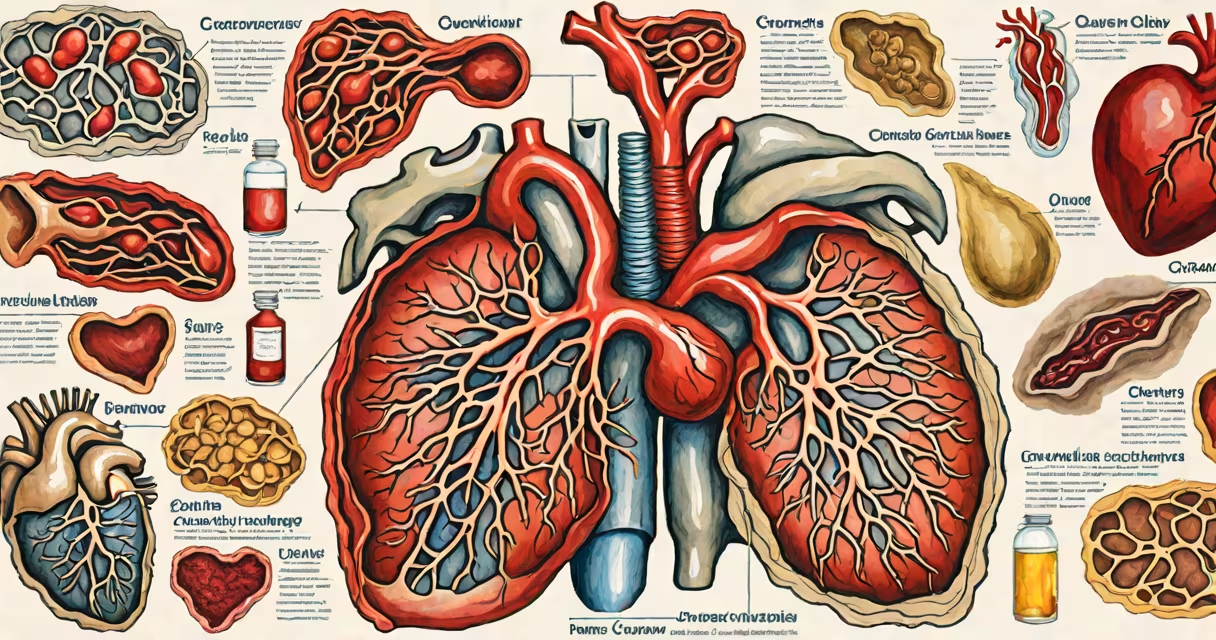
Cardiovascular disease symptoms include chest pain, shortness of breath, and fatigue, which may indicate conditions like heart attack or stroke. These symptoms can vary widely depending on the specific type of cardiovascular disease.
Symptoms arise when reduced blood flow or blockages impair heart function. Over time, plaque buildup narrows arteries, forcing the heart to work harder. This strain can cause discomfort, pain, or other warning signs. Some symptoms appear suddenly, while others develop gradually.
Symptoms differ by condition but often overlap. Common examples include:
Some symptoms require immediate medical attention. Call emergency services if you experience:
These could indicate a heart attack or stroke, both of which require urgent care. According to the American Heart Association, recognizing and acting on these symptoms can save lives.
Many people assume cardiovascular disease symptoms always involve intense chest pain. However, symptoms can be subtle, especially in women, who may experience shortness of breath, nausea, or back pain instead of classic chest discomfort. The Centers for Disease Control and Prevention notes that some people have no symptoms at all before a heart attack occurs.
I once spoke with a man who ignored persistent fatigue and mild chest discomfort for weeks, assuming it was stress. After a sudden, severe heart attack, he learned his symptoms had been warning signs. Early recognition could have prevented the crisis.