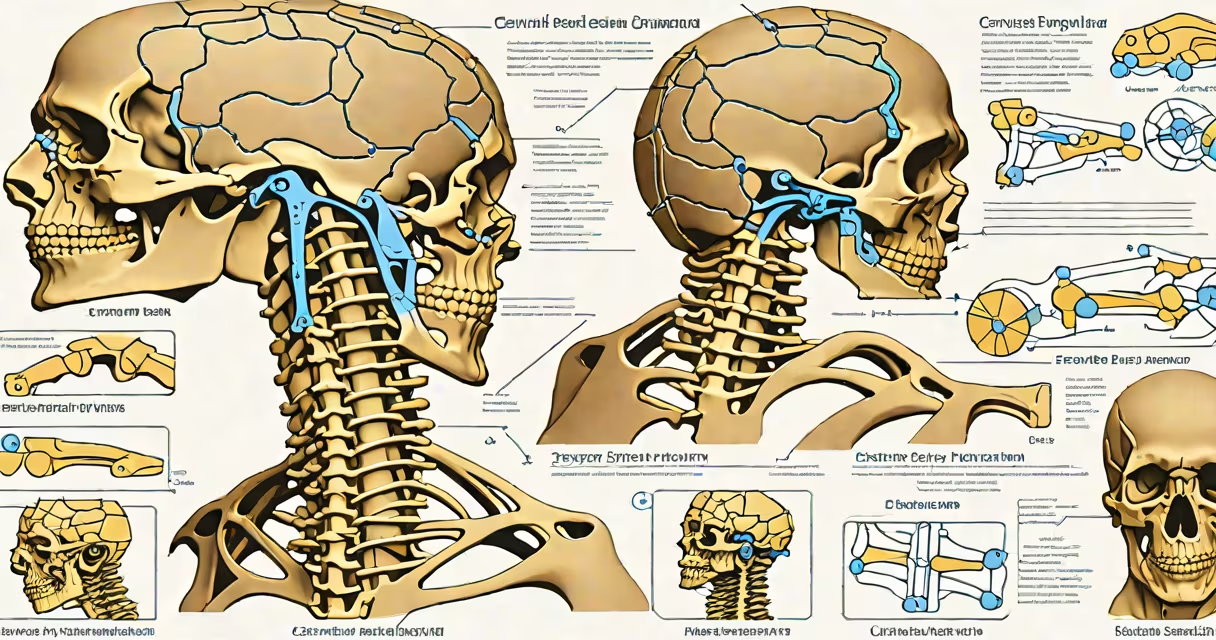
A cervical sprain and strain refers to injuries affecting the muscles and ligaments in your neck. These occur when soft tissues are stretched beyond their limits, often due to sudden movements like whiplash.
Sprains involve overstretched or torn ligaments (tissues connecting bones), while strains affect muscles or tendons (tissues attaching muscles to bones). Both result from excessive force, such as rapid acceleration/deceleration or direct impact.
| Type | Description | Common Causes |
|---|---|---|
| Cervical Sprain | Ligament damage in the neck | Whiplash, falls, sports injuries |
| Cervical Strain | Muscle/tendon injury in the neck | Poor posture, sudden twisting, overuse |
These injuries commonly happen in car accidents (whiplash), contact sports, or from awkward sleeping positions. The neck's flexibility makes it vulnerable to sudden forces.
For example, rear-end collisions often cause whiplash by rapidly extending then flexing the neck. Poor posture at workstations can lead to chronic strains.
Many confuse cervical sprains/strains with herniated discs or fractures. While all cause neck pain, sprains/strains don't involve bone damage. A 2017 study in Journal of Orthopaedic & Sports Physical Therapy found 70% of whiplash cases were actually ligament sprains.
Most cases improve with conservative treatments like rest, ice/heat therapy, and over-the-counter pain relievers. Physical therapy helps restore range of motion. For severe cases, professional medical treatment may be needed.
I once treated a whiplash injury with gentle rotations and stretches - key was gradual progression to avoid reinjury.
Use headrests in cars, maintain proper posture, and strengthen neck muscles through targeted exercises. For office workers, ergonomic setups reduce strain risk.