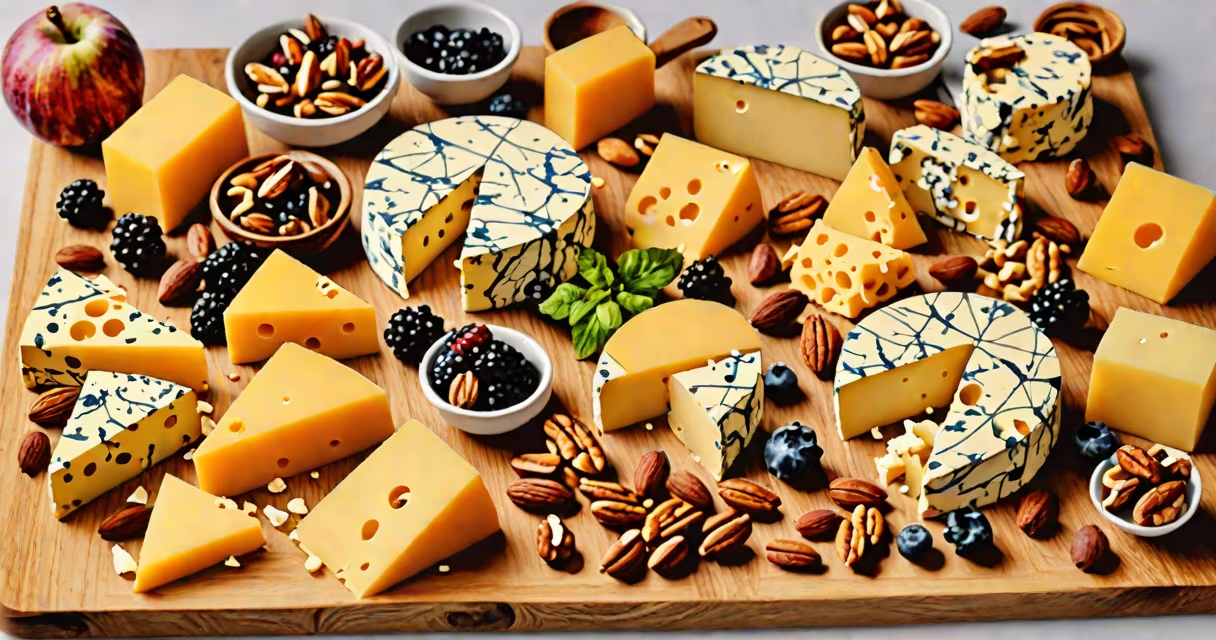
Cheese provides calcium, protein, and probiotics, but its high saturated fat content requires mindful consumption. The average 1-ounce serving of cheddar contains 115 calories, 6 grams of protein, and 20% of the daily recommended calcium intake.
Cheese supports bone health through calcium and vitamin D, aids digestion via probiotics, and may reduce heart disease risk when consumed as part of a balanced diet. A 2018 study published in Appetite found that moderate cheese consumption didn't negatively impact cardiovascular health in adults.
| Cheese Type | Key Benefit | Calories (per ounce) |
|---|---|---|
| Cheddar | High in calcium and vitamin K2 | 115 |
| Swiss | Contains fewer calories, good source of vitamin B12 | 106 |
| Feta | Probiotic-rich, lower in calories | 75 |
| Mozzarella | Lower in sodium, good for lactose intolerant individuals | 85 |
Many assume all cheeses are equally unhealthy. However, softer cheeses like mozzarella and ricotta often contain less saturated fat than harder varieties. A common mistake is overlooking portion sizes-just 1-2 ounces typically constitutes a serving.
Cheese is frequently confused with processed meats for health risks. While both can be high in sodium, cheese offers unique nutritional benefits like calcium and probiotics that processed meats lack.
Incorporating aged cheddar into a salad with leafy greens, nuts, and a light vinaigrette creates a meal rich in calcium, fiber, and healthy fats. The cheese complements the greens' iron absorption, while the nuts provide additional protein and vitamins. This combination supports bone health and digestion without excessive calorie intake.
I regularly use aged cheddar in salads to balance flavors and boost nutrition. Pairing it with beetroot adds natural sweetness and enhances the dish's antioxidant profile.
Excessive consumption can lead to weight gain and increased LDL cholesterol levels. The American Heart Association recommends limiting saturated fat intake to 5-6% of daily calories for most adults. For context, a single ounce of cheddar contains about 6 grams of saturated fat-nearly a third of the recommended daily limit.
Those with lactose intolerance should opt for harder cheeses like parmesan or Swiss, which have lower lactose content. Alternatives like dark chocolate can satisfy cravings while providing different health benefits, such as improved blood flow and reduced inflammation.
Moderation and variety are key. Including cheese as part of a diverse diet-alongside fruits, vegetables, whole grains, and lean proteins-helps maximize its benefits while minimizing risks.