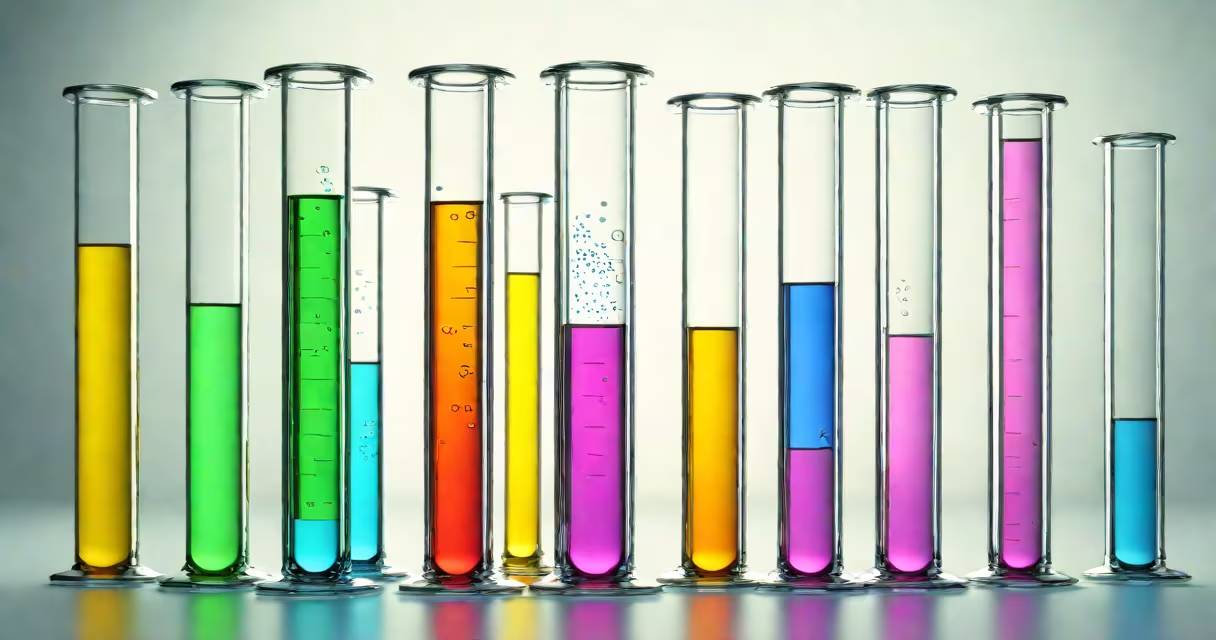
Chemical change indicators are observable signs that a substance has undergone a chemical reaction, transforming into new substances with different properties. These indicators distinguish chemical changes from mere physical changes.
A chemical change involves breaking and forming chemical bonds, altering the molecular composition of substances. Unlike physical changes (like melting or dissolving), chemical changes create entirely new materials. For example, burning wood produces ash and smoke-a clear sign of a chemical change.
The most common indicators include:
Many confuse physical changes with chemical ones. For example, dissolving sugar in water is a physical change-the sugar molecules remain intact. However, burning sugar involves a chemical change, producing new substances like carbon dioxide and water vapor.
Chemical change indicators appear everywhere. Rust forming on iron shows oxidation, a chemical reaction between iron and oxygen. Similarly, the browning of a cut apple results from enzymatic reactions triggered by exposure to air.
When I tested vinegar and baking soda in my kitchen, the rapid bubbling and temperature drop confirmed a chemical reaction. The reaction produced carbon dioxide gas, visible as bubbles, and absorbed heat from the surroundings.
Recognizing chemical change indicators helps in various fields, processes. For instance, food spoilage involves chemical changes that alter taste, smell, and appearance. Understanding these indicators ensures safety and quality control.
According to the American Chemical Society, chemical changes are irreversible under normal conditions, unlike physical changes. This distinction is important in scientific experiments and industrial applications.