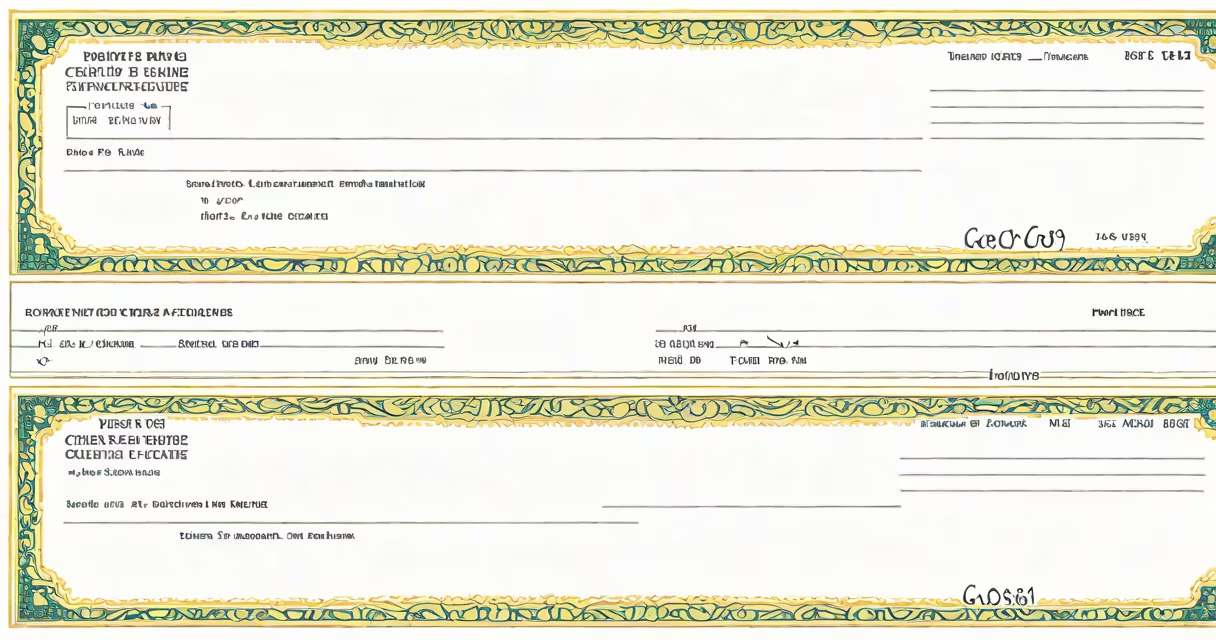
A cheque (or check in American English) is a written order directing a bank to pay a specific amount to a named recipient. This financial instrument combines elements of a promise and an instruction, creating a conditional payment mechanism.
When you write a cheque, you instruct your bank to transfer funds from your account to the recipient's account. The recipient deposits or cashes the cheque at their bank, which then processes the transaction. Banks clear cheques through specialized clearing systems, typically within 1-5 business days, though electronic clearing systems have reduced this time in many countries.
The process involves several parties:
| Type | Description | Example Use Case |
|---|---|---|
| Bearer cheque | Payable to anyone who presents it | Paying a casual worker who doesn't have a bank account |
| Crossed cheque | Must be deposited into a bank account, not cashed over the counter | Paying a supplier for business goods |
| Post-dated cheque | Dated for a future date, cannot be cashed before that date | Agreeing to pay rent on the 1st of next month |
| Stale cheque | Older than 6 months, banks may refuse to honor it | A cheque received but not deposited promptly |
Unlike electronic transfers, which move money instantly, cheques represent a delayed payment promise. While debit cards deduct funds immediately, cheques require processing time. Unlike cash, cheques provide a paper trail for accounting and auditing purposes.
Many people confuse cheques with other financial instruments:
Modern cheques include multiple security features to prevent fraud:
In one case, a UK bank detected 12 altered cheques totaling £187,000 by noticing mismatches between the microprinted text and the altered amounts. The security features allowed them to recover the full amount.
Usage varies by country. In the UK, cheque usage declined 92% between 1990 and 2018, while in France, they remain popular for B2B transactions. Japan still processes over 3 billion cheques annually, primarily due to cultural preferences and business practices.
In India, cheques are widely used despite the rise of digital payments. The Reserve Bank of India mandates cheque truncation systems, where banks digitize cheques at the point of presentation rather than physically transferring them.