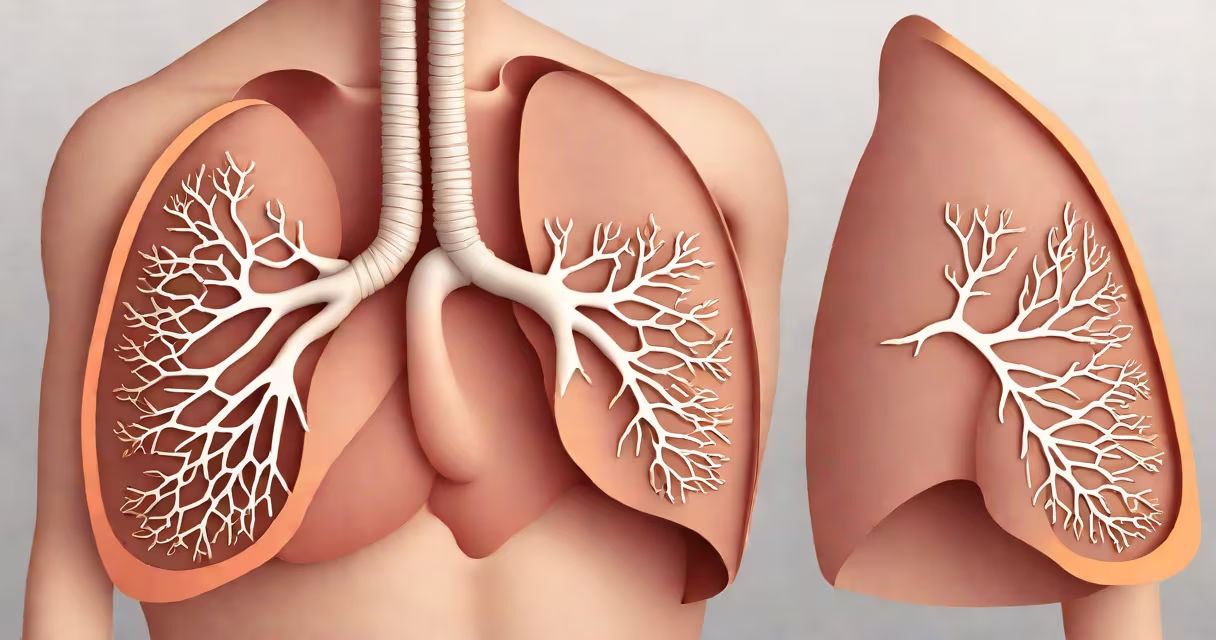
Chest tightness lungs refers to discomfort or pressure in the chest area caused by respiratory issues, often due to conditions like asthma, allergies, or infections. This sensation can range and may accompany shortness of breath, coughing, or wheezing.
When the airways in your lungs narrow, swell, or produce excess mucus, it can lead to chest tightness. This restricts airflow, making it harder to breathe. The sensation of tightness occurs because the muscles around the lungs and chest wall work harder to expand the rib cage and draw air into the lungs.
The most common causes of chest tightness related to the lungs include:
Chest tightness lungs often comes with other symptoms, such as:
These symptoms can vary in intensity and may worsen with physical activity or exposure to triggers like smoke or cold air.
While mild chest tightness may resolve on its own, persistent or severe symptoms require medical attention. According to the American Lung Association, seek immediate help if you experience sudden chest tightness accompanied by difficulty breathing, dizziness, or bluish lips or fingernails.
If chest tightness is frequent or worsening, consult a healthcare provider to rule out underlying conditions like asthma or COPD. Early diagnosis and treatment can prevent complications and improve quality of life.
For instance, if you notice chest tightness after exposure to pollen, you might have allergic asthma. Managing allergies through medications or avoiding triggers can help alleviate symptoms.
Many people confuse chest tightness lungs with heart-related issues like angina or heart attacks. However, chest tightness due to lung problems typically involves breathing difficulties, while heart-related tightness often includes pain radiating to the left arm or jaw.
Another common mistake is assuming chest tightness is always serious. While it can indicate a severe condition, it may also result from less concerning issues like muscle strain or acid reflux.
I once experienced mild chest tightness after a strenuous workout. After ruling out heart issues, my doctor diagnosed it as exercise-induced bronchoconstriction, a condition where intense physical activity triggers airway narrowing. Adjusting my workout routine and using a prescribed inhaler helped manage the symptoms effectively.
Chest tightness lungs is a common symptom of various respiratory conditions, ranging. Understanding its causes, symptoms, and when to seek help can ensure proper management and treatment. If you experience persistent or worsening chest tightness, consult a healthcare professional for an accurate diagnosis and appropriate care.