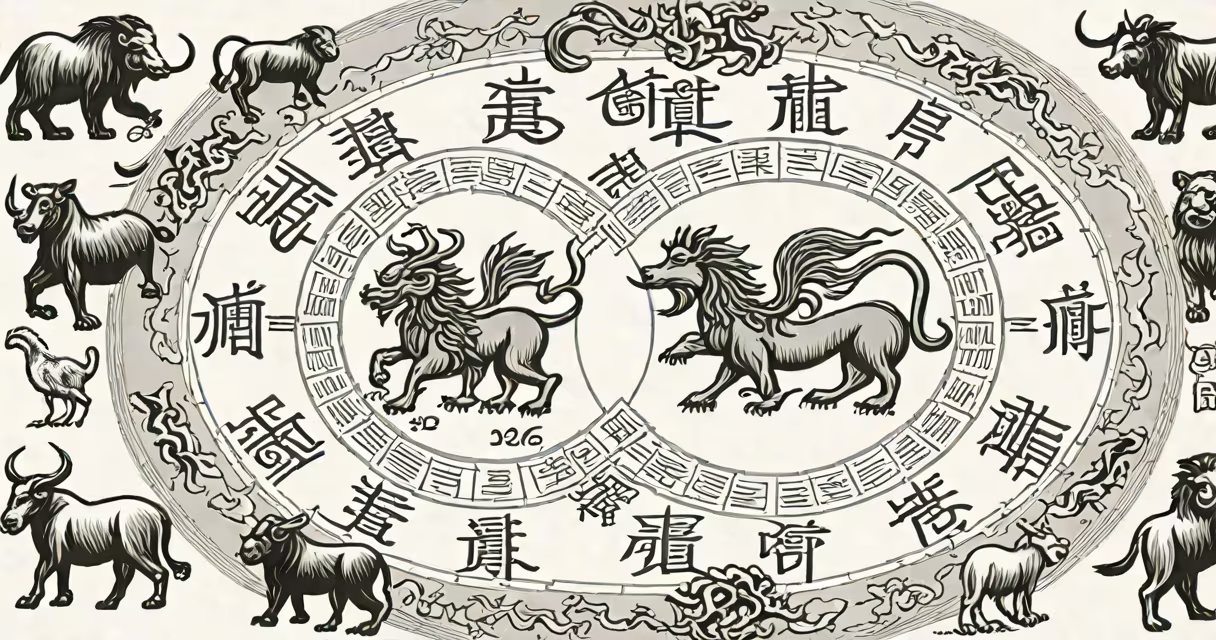
The Chinese zodiac calendar is a 12-year cycle where each year corresponds to an animal sign-rat, ox, tiger, rabbit, dragon, snake, horse, goat, monkey, rooster, dog, or pig-and influences personality traits, compatibility, and cultural practices.
The calendar follows the lunar cycle, beginning on the second new moon after the winter solstice. This means the Chinese New Year doesn't fall on the same date each year on the Gregorian calendar, typically landing between January 21 and February 20. The cycle repeats every 12 years, with each year ruled by one of the 12 animals in a fixed sequence.
Each animal sign is associated with specific traits. For example, those born in the Year of the Rat are believed to be intelligent and adaptable, while those born in the Year of the Tiger are seen as brave and competitive. These traits influence everything from personal relationships to career choices.
| Year | Animal | Traits |
|---|---|---|
| 2020 | Rat | Intelligent, adaptable, quick-witted |
| 2021 | Ox | Hardworking, reliable, determined |
| 2022 | Tiger | Brave, competitive, confident |
| 2023 | Rabbit | Kind, gentle, sensitive |
| 2024 | Dragon | Useful, charismatic, decisive |
The Chinese zodiac calendar is deeply embedded in Chinese culture, influencing festivals, family planning, and even business decisions. For instance, many Chinese couples time their pregnancies to ensure their children are born in a favorable year, such as the Year of the Dragon, which is considered particularly auspicious.
Beyond China, the zodiac calendar is celebrated globally, especially in East Asian communities. Festivals like Chinese New Year are marked by traditions tied to the current zodiac sign, such as wearing red for good luck or avoiding certain activities deemed unlucky for that year's animal.
One common mistake is assuming the Chinese zodiac calendar aligns with the Western zodiac. While both systems assign traits based on birth years or months, the Chinese system is tied to the lunar calendar and focuses on 12-year cycles rather than monthly signs. Another misconception is that the zodiac signs are purely for entertainment-they hold significant cultural and historical weight in Chinese society.
For example, the Year of the Monkey (2016) was often misunderstood as a year of mischief, but in reality, monkeys are seen as clever and inventive, traits valued in Chinese culture. Understanding the true meanings behind each sign requires diving deeper into the cultural context.
I once attended a Chinese New Year celebration where the host carefully planned the menu based on the zodiac sign of the year. As 2020 was the Year of the Rat, dishes included rat-shaped cookies and foods symbolizing prosperity, like fish and dumplings. It was fascinating to see how the zodiac calendar influenced even the smallest details of the celebration.