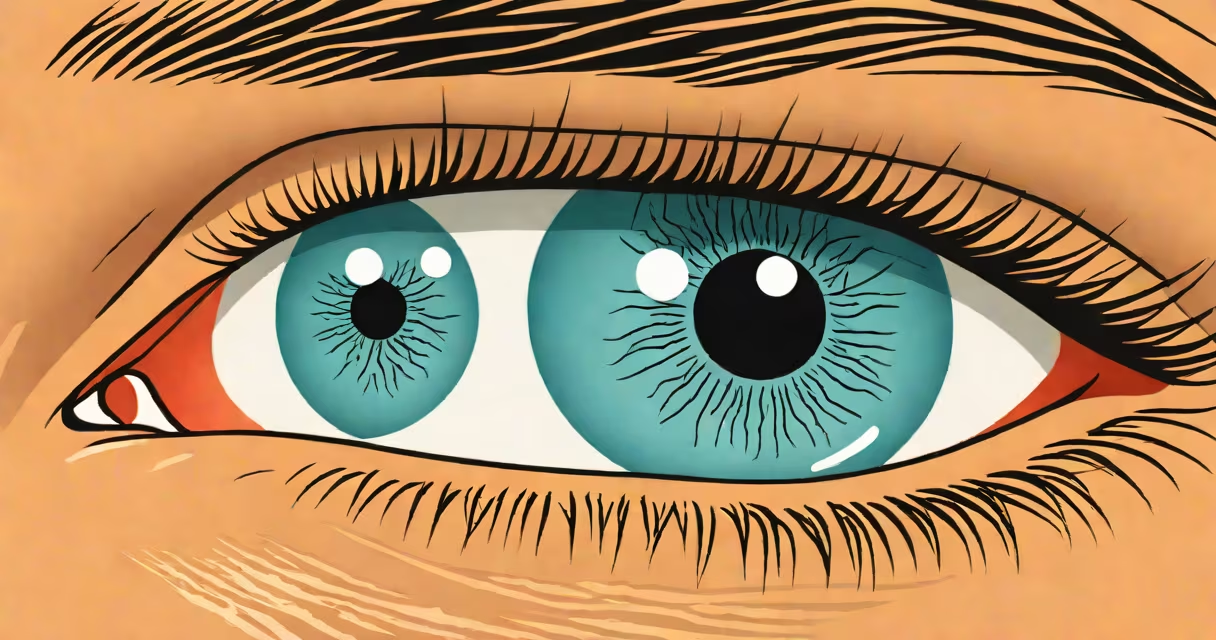
Chronic watery eyes occur when tear production exceeds drainage, often due to blocked tear ducts or allergies. This condition, known medically as epiphora, can lead to constant discomfort and blurred vision.
Your eyes constantly produce tears to maintain moisture and cleanliness. Normally, tears drain through small openings in the inner corners of your eyelids, traveling through tear ducts to the nose. When this system is disrupted, tears overflow onto your cheeks.
The most common causes of chronic watery eyes include:
Consult a healthcare professional if watery eyes persist for more than a week, are accompanied by pain or redness, or if you notice a discharge. These symptoms could indicate an underlying infection or blockage requiring medical attention.
For instance, if your eyes become watery after exposure to pollen, you might have seasonal allergic conjunctivitis. Over-the-counter antihistamines can help manage symptoms. However, if the issue persists, a visit to an eye doctor is necessary to rule out more serious conditions.
Many people assume that chronic watery eyes are always due to crying or allergies. While these are common causes, they can also result from more serious issues like corneal abrasions or dry eye syndrome, which paradoxically increases tear production as a compensatory mechanism.
According to the American Academy of Ophthalmology, chronic watery eyes affect millions of people annually, often leading to misdiagnosis if not properly evaluated by a specialist.
In my experience, patients often find relief with warm compresses and gentle massage of the tear ducts, which can help dislodge minor blockages. However, persistent cases require professional intervention.