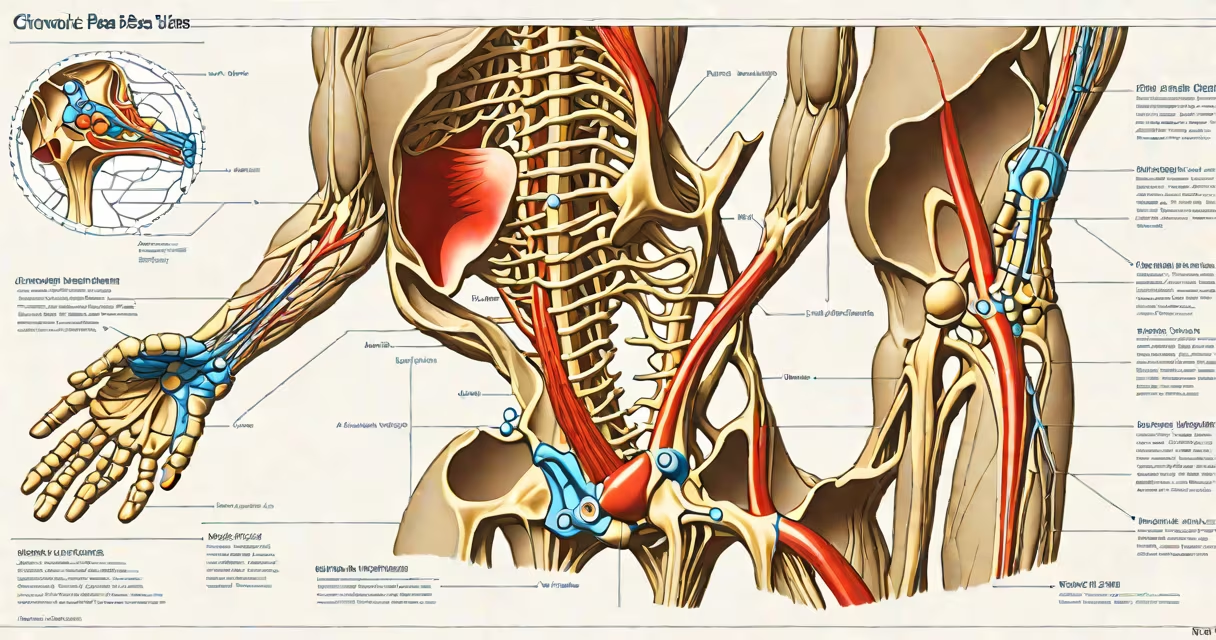
Chronic psoas pain is persistent discomfort in the psoas muscle, a long flexor muscle in the hip that connects the spine to the femur. This pain often results from overuse, injury, or prolonged sitting and can lead to significant mobility issues if untreated.
The psoas muscle is important for core stability, posture, and movement. It helps lift the knee toward the chest and the torso toward the knee, essential actions for walking, running, and sitting. When the psoas becomes tight or inflamed, it can cause chronic pain that radiates to the lower back, hips, or even the knees.
Several factors contribute to chronic psoas pain:
Common symptoms of chronic psoas pain include:
Diagnosis typically involves a physical examination to assess muscle strength, flexibility, and pain triggers. Imaging tests like MRI or ultrasound may be used to rule out other conditions.
Effective management of chronic psoas pain combines stretching, strengthening, and lifestyle adjustments:
For severe cases, medical interventions like anti-inflammatory medications or cortisone injections may be necessary. In rare instances, surgery might be required to repair significant damage.
To prevent chronic psoas pain, incorporate regular stretching and strengthening routines into your daily activities. Avoid prolonged sitting by taking frequent breaks to stand and move around. Maintain good posture, especially when working at a desk or using a computer., consider practicing mindfulness techniques to manage stress, which can exacerbate muscle tension and pain.