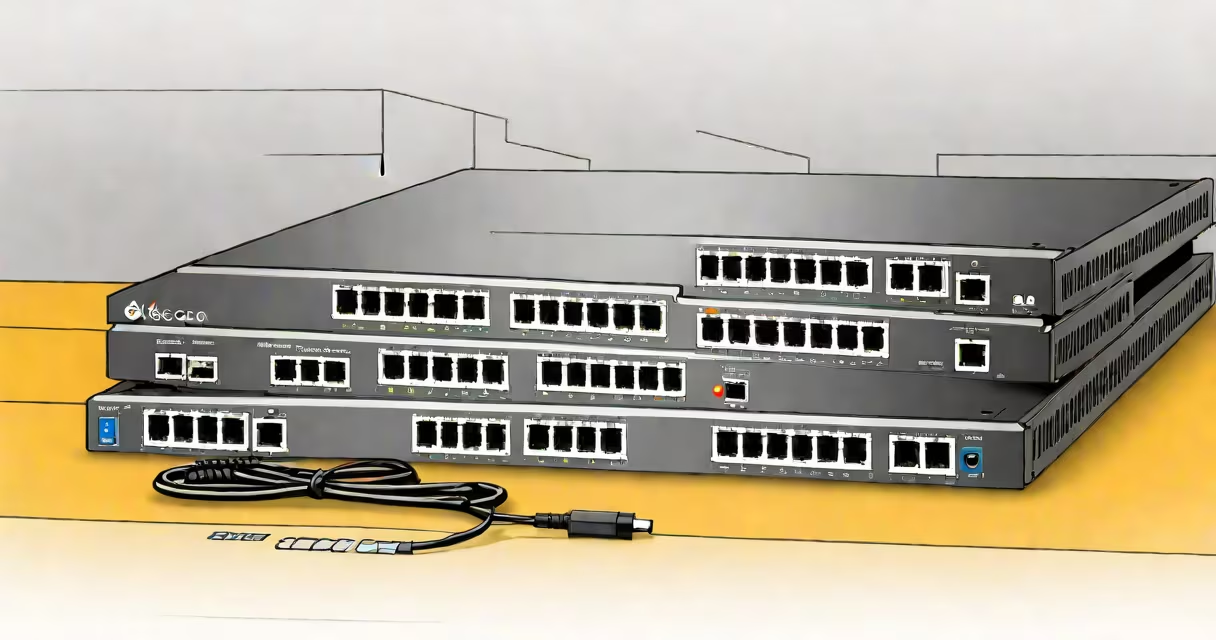
A Cisco ASA device is a dedicated firewall appliance designed to secure networks by filtering traffic and blocking unauthorized access. These devices provide advanced security features to protect against cyber threats.
Cisco ASA devices operate by inspecting incoming and outgoing network traffic based on predefined security rules. They use stateful inspection to monitor active connections and ensure that only legitimate traffic passes through. This process involves tracking the state of each connection and comparing it against a set of security policies.
Cisco offers several models of ASA devices, each suited for different network sizes and security requirements. The most common models include:
Cisco ASA devices are deployed in various environments, including corporate networks, data centers, and cloud infrastructures. They are essential for protecting sensitive data, preventing unauthorized access, and ensuring compliance with industry regulations. For example, a financial institution might use a Cisco ASA 5525-X to secure its transaction processing systems from cyberattacks.
One common misconception is that Cisco ASA devices are only suitable for large enterprises. In reality, Cisco offers a range of models tailored to different business sizes, from small offices to large data centers. Another misconception is that these devices are complex to manage. While they do require some technical expertise, Cisco provides complete documentation and support to simplify deployment and management.
During a recent network upgrade project, I had the opportunity to work with a Cisco ASA 5525-X. The device's intuitive interface and solid security features made it relatively straightforward to configure and deploy. The stateful inspection capabilities proved particularly effective in blocking malicious traffic while allowing legitimate users to access necessary resources without interruption.