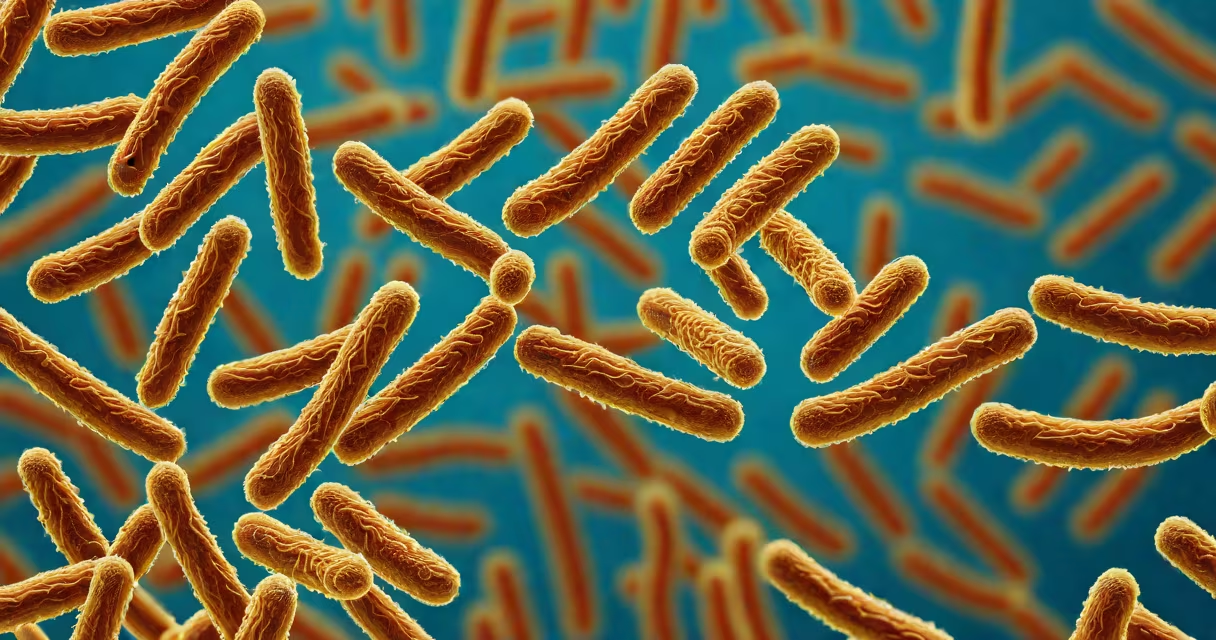
Clostridium perfringens disease is an infection caused by toxins produced by the bacterium Clostridium perfringens, which typically leads to severe gastrointestinal symptoms like diarrhea and abdominal cramps.
The bacterium produces spores that survive harsh conditions and germinate in the intestines, releasing toxins that damage intestinal tissue. This process can lead to conditions like necrotic enteritis, characterized by tissue death in the intestines.
| Type | Common Source | Primary Symptom |
|---|---|---|
| Type A | Undercooked meat, poultry | Diarrhea |
| Type C | Contaminated food | Necrotic enteritis |
| Type B | Soil, contaminated wounds | Gas gangrene |
Clostridium perfringens is commonly found in soil, water, and the intestines of humans and animals. It thrives in environments with low oxygen levels, making it a common cause of food poisoning when food is improperly stored or cooked.
Many people confuse Clostridium perfringens disease with other foodborne illnesses like salmonella or E. coli. However, Clostridium perfringens specifically targets the intestines and produces toxins that cause severe diarrhea and abdominal pain. Unlike salmonella, which can cause fever and vomiting, Clostridium perfringens primarily affects the digestive system.
To prevent Clostridium perfringens disease, ensure proper cooking and storage of food. Cook meat and poultry to safe temperatures and refrigerate leftovers promptly. Treatment typically involves rehydration and antibiotics to combat the infection.