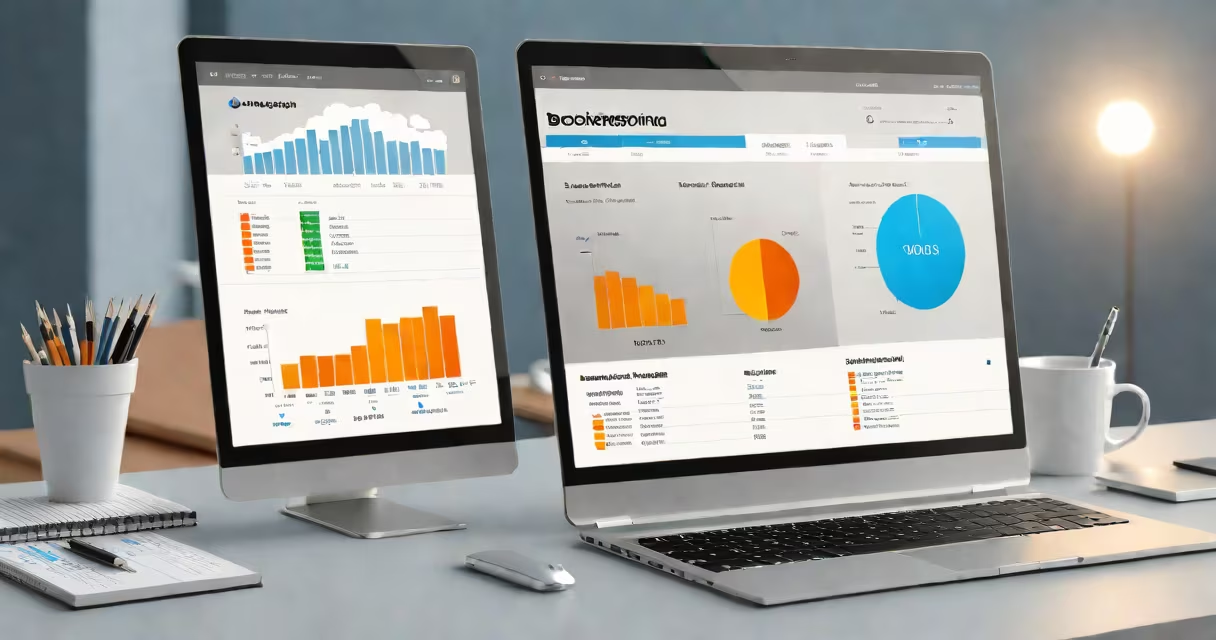
Cloud based bookkeeping is financial record-keeping using internet-connected software instead of traditional desktop programs. It allows businesses to store, manage, and process transactions through web browsers or mobile apps.
This system operates on remote servers maintained by software providers. Users access their accounts through login credentials, with data encrypted during transmission and storage. Most platforms offer real-time updates, automated transaction categorization, and integration with banking systems.
For example, QuickBooks Online syncs with bank accounts to automatically import transactions. The software then uses machine learning to suggest categories based on previous entries, which users can approve or edit.
| Feature | Description |
|---|---|
| Real-time reporting | Generate up-to-date financial statements anytime |
| Multi-user access | Controlled permissions for team members or accountants |
| Automated workflows | Scheduled invoices, recurring expenses, and payment reminders |
| Mobile accessibility | Manage finances from smartphones or tablets |
Many assume these systems lack security due to their online nature. However, reputable providers implement encryption protocols stronger than most small businesses could afford independently. According to the AICPA, properly configured cloud systems often provide better security than local installations.
Another myth is that cloud software requires constant internet access. While online connectivity enables real-time features, most platforms allow offline work that syncs when connection resumes.
Businesses with multiple locations benefit from centralized financial data accessible across offices. Growing companies needing scalable solutions find cloud systems adapt better than traditional software with license limitations.
Remote teams also gain advantages. I worked with a client whose accountant lived overseas - cloud bookkeeping enabled secure collaboration despite the distance. Their system allowed controlled access for both in-house staff and external advisors.
Companies handling sensitive financial data should verify their provider's compliance with regulations like FTC Safeguards Rule or GDPR if operating internationally.
Most providers offer free trials or demos. Look for platforms compatible with your existing tools, such as payroll services or e-commerce platforms. Migration services often transfer historical data from old systems.
Training resources help teams adapt. Many providers offer certification programs demonstrating proficiency, which can be valuable for hiring or promoting staff.
Regular backups protect against data loss. While cloud providers maintain redundant systems, businesses should still implement their own cloud-based backup strategies as part of their disaster recovery plan.