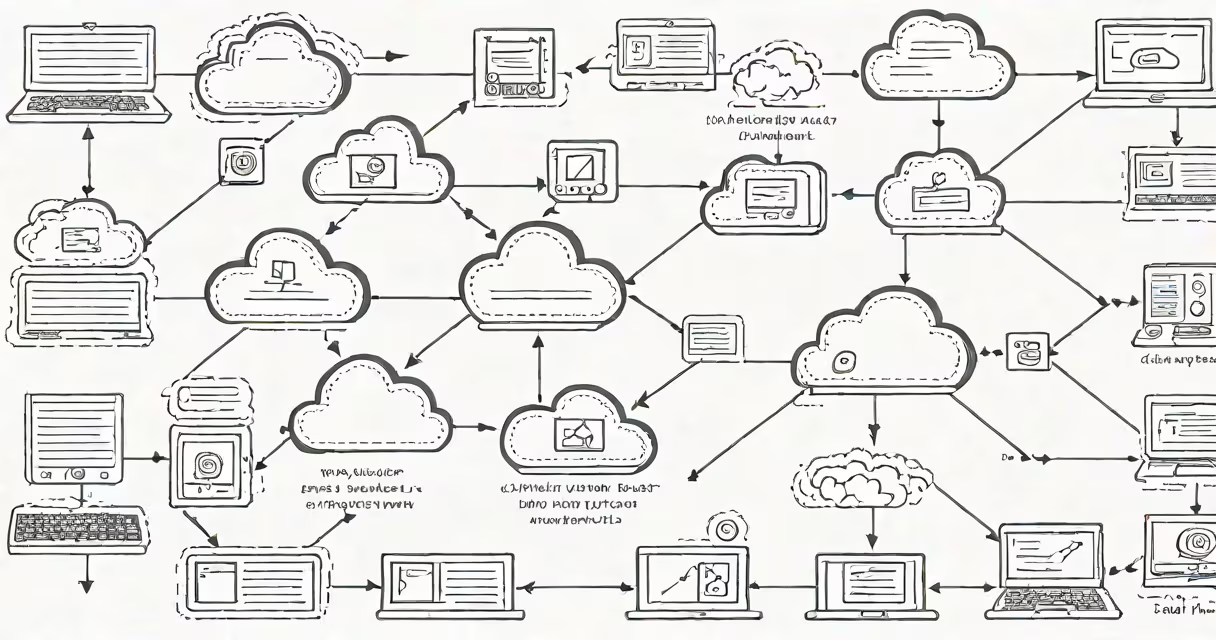
Cloud identity management (cloud IAM) is a security discipline that verifies users' identities and controls their access to cloud resources. It combines authentication (proving identity) with authorization (granting permissions).
Cloud IAM systems use directories to store user credentials and entitlements. When a user attempts to access a cloud service, the system:
For example, when an employee logs into Salesforce, the cloud IAM system verifies their identity through single sign-on (SSO) and checks if they have permission to view customer data.
| Component | Function |
|---|---|
| User Directory | Stores user profiles and attributes |
| Authentication Service | Verifies user identities |
| Authorization Service | Enforces access policies |
| Audit Service | Logs access attempts and changes |
Most enterprise cloud IAM solutions integrate with existing directories like Active Directory or LDAP. They often support standards like OAuth, SAML, and OpenID Connect for interoperability.
Another misconception is that cloud IAM replaces traditional IAM. In reality, most organizations use a hybrid approach, managing on-premises identities separately from cloud identities until they can consolidate them.
Implementing effective cloud IAM requires:
The distributed nature of cloud environments creates unique challenges:
According to Gartner, through 2026, at least 90% of organizations will fall victim to an attack that succeeds because of poor control over privileged access.