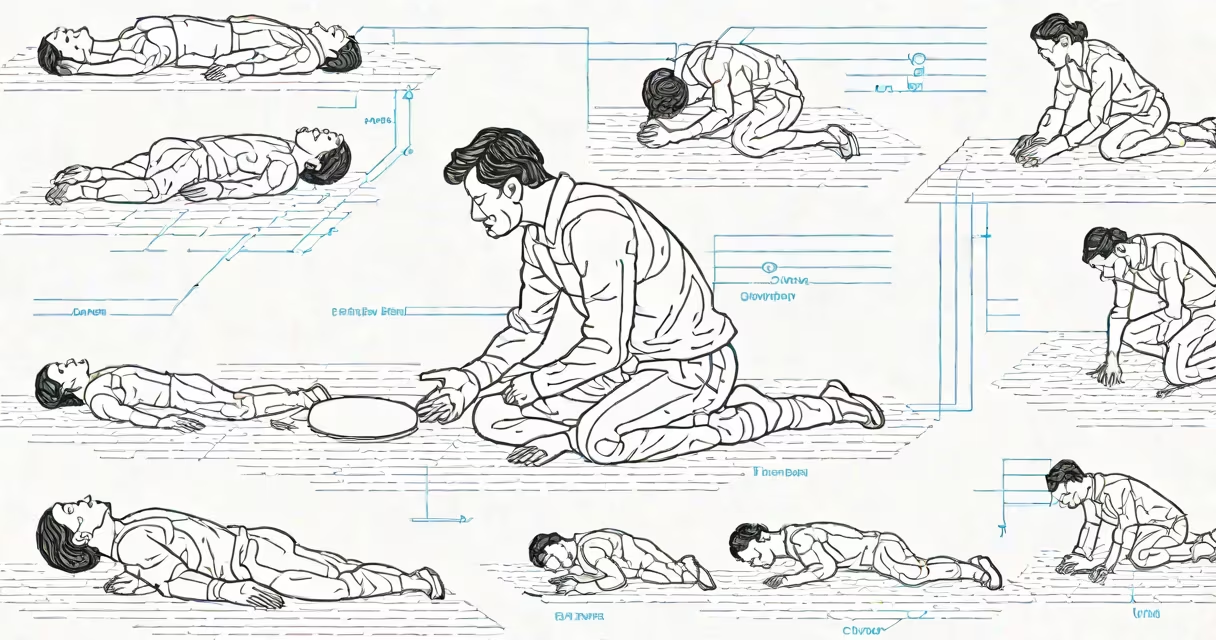
Conscious discipline breathing techniques are structured breathwork exercises designed to regulate emotions, reduce stress, and improve focus. These practices combine deep breathing with intentional awareness to create calm and self-control.
These techniques work by activating the parasympathetic nervous system, which counteracts the body's stress response. By focusing on slow, deliberate breaths, practitioners can lower heart rate and blood pressure while increasing oxygen flow to the brain. This physiological shift helps clear mental fog and emotional reactivity.
The method integrates mindfulness principles, requiring attention to both the physical sensations of breathing and the thoughts or emotions that arise. For example, the "Star Breath" technique-used in classrooms-guides children to inhale for four counts, hold for four, exhale for four, and pause for four before repeating. This rhythm creates a meditative state that disrupts impulsive behavior.
Common techniques include:
Schools, military training, and therapy programs employ these techniques to manage stress and conflict. Research from the Journal of Child and Family Studies shows that consistent practice reduces aggressive behaviors in children by 60%. In corporate settings, techniques like box breathing help employees regain composure during high-stakes meetings.
A common misconception is that these methods require long sessions. Even 90 seconds of focused breathing can reset the nervous system. I've seen this firsthand when teaching a 3-minute exercise to teachers before a stressful parent meeting-their posture and tone shifted noticeably afterward.
People often confuse conscious discipline breathing with generic "deep breathing." The key difference is intent: these techniques pair breathwork with specific goals, like de-escalating anger or sharpening attention. Unlike meditation, which may involve passive observation, these exercises actively structure the breath to produce immediate physiological changes.
To practice 4-7-8 breathing:
This pattern triggers the relaxation response, making it ideal before high-stress tasks like public speaking.
Unlike temporary fixes (e.g., counting to 10), these techniques rewire the brain's response to stress over time. A study in Frontiers in Psychology found that daily practice increased gray matter density in the prefrontal cortex-the area responsible for decision-making. This makes them invaluable for anyone seeking sustainable emotional regulation tools.