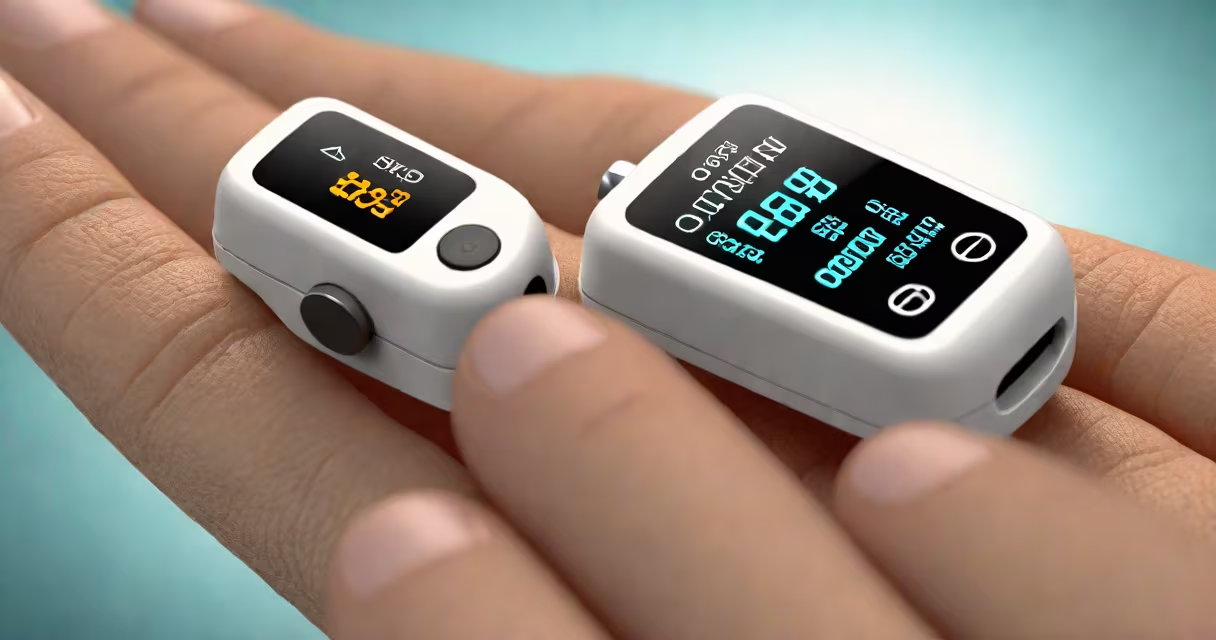
COPD oxygen saturation levels typically fall between 88% and 92%, lower than the normal range of 95% to 100%. These lower levels result from damaged lung tissue reducing oxygen absorption efficiency.
Chronic obstructive pulmonary disease (COPD) damages alveoli, tiny air sacs in the lungs where oxygen enters the bloodstream. As lung function declines, oxygen saturation drops. The body compensates by redirecting blood to important organs, leaving extremities like fingers and toes with less oxygen.
COPD includes two primary conditions:
Many patients have both conditions simultaneously.
Doctors use pulse oximeters to measure oxygen saturation. A reading below 88% may require immediate oxygen therapy. The American Thoracic Society recommends supplemental oxygen when levels drop below 88% during rest, sleep, or activity.
| Condition | Normal Range | COPD Range |
|---|---|---|
| Resting | 95%-100% | 88%-92% |
| During Activity | 90%-95% | 80%-88% |
| During Sleep | 90%-95% | 75%-85% |
These differences show why COPD patients often require supplemental oxygen.
Many believe COPD patients should maintain normal oxygen saturation levels (95%-100%). However, excessive oxygen can suppress breathing reflexes in severe COPD cases, leading to dangerously high carbon dioxide levels-a condition called hypercapnia. Doctors tailor oxygen therapy to individual needs, often targeting 88%-92% for safety.
When my grandfather was diagnosed with COPD, his doctor prescribed a portable oxygen concentrator. We learned to monitor his oxygen saturation levels using a pulse oximeter at home. During a flu episode, his levels dropped to 85%, prompting an emergency room visit. Proper monitoring and quick action made a critical difference in his recovery.