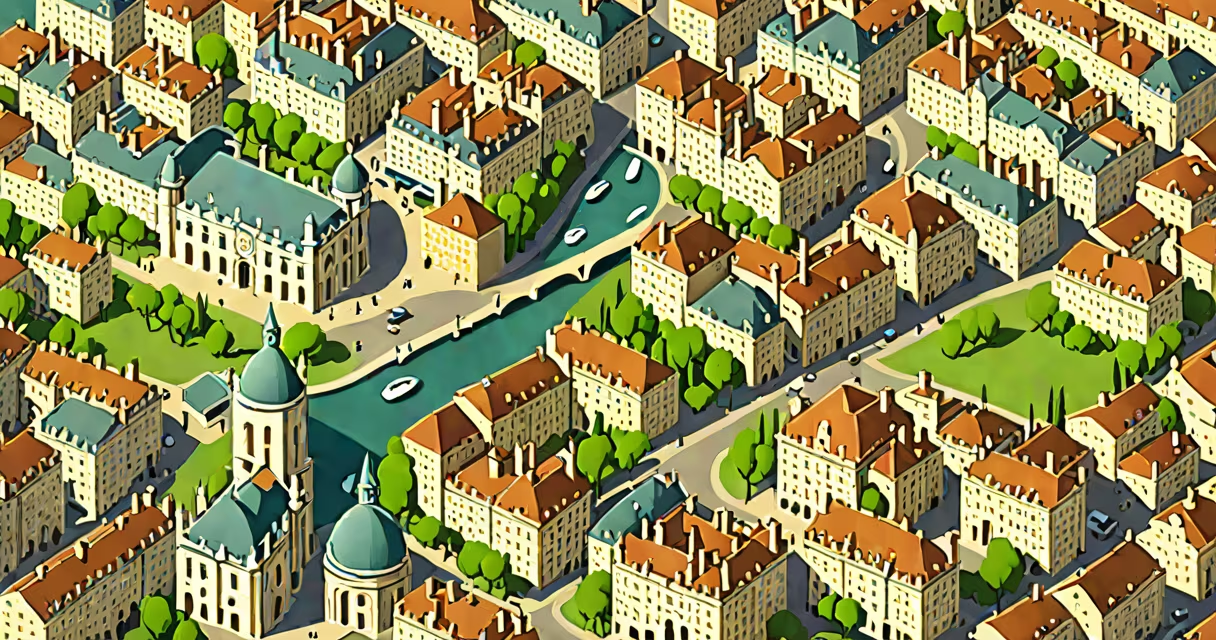
Cos ville de Lyon describes Lyon as a model city combining historic preservation with modern sustainability initiatives. France's third-largest city, Lyon demonstrates how urban planning can preserve heritage while fostering innovation.
Lyon's status as a model city stems from its ability to maintain its Renaissance and medieval architecture while implementing forward-thinking urban policies. The city's historic center, Vieux Lyon, is a UNESCO World Heritage site featuring traboules - hidden passageways connecting buildings. Simultaneously, Lyon invests heavily in green spaces, public transportation, and sustainable development.
The concept encompasses several interconnected elements:
Lyon's commitment to sustainability includes:
| Initiative | Implementation | Impact |
|---|---|---|
| Green Metro Line | Opened in 2006, fully automated | Reduced CO2 emissions by 20% |
| Urban Farming | 150+ community gardens throughout the city | Produces 120 tons of organic produce annually |
| Bike Sharing | Vélov system with 340 stations | 18,000 daily rentals |
Many confuse Lyon's modern innovations with erasing its past. In reality, Lyon's approach integrates new developments with historic preservation. For example, the La Confluence district combines contemporary architecture with respect for the surrounding historic areas. This balance is what defines cos ville de Lyon.
Another misconception is that Lyon's success comes from wealth. While Lyon is prosperous, its achievements stem from consistent investment in infrastructure and cultural institutions over decades. The city's budget allocates 20% to urban development and cultural projects annually.
During a visit to Lyon, I noticed how smoothly the city blends old and new. Walking through Vieux Lyon's cobblestone streets, I suddenly encountered the futuristic Musée des Confluences at the city's southern tip. This juxtaposition perfectly illustrates cos ville de Lyon - a city that embraces its past while boldly stepping into the future.