Cramps and green poop occur together when something disrupts bile flow or digestion, often from eating too much fat or fiber. The cramps result from intestinal spasms, while the green color comes from bile pigments or undigested food.
Bile, produced by your liver and stored in your gallbladder, gives stool its normal brown color. When bile flows too quickly or too slowly, or when certain foods aren't properly digested, stool can turn green. Cramps happen when your intestines contract suddenly, often due to gas, bloating, or irritation.
The most common causes of cramps and green poop are:
Most cases of cramps and green poop go away on their own. However, see a doctor if you also have:
These could indicate gallstones, liver disease, or other serious conditions. A doctor can perform tests like blood work, stool analysis, or imaging to diagnose the issue.
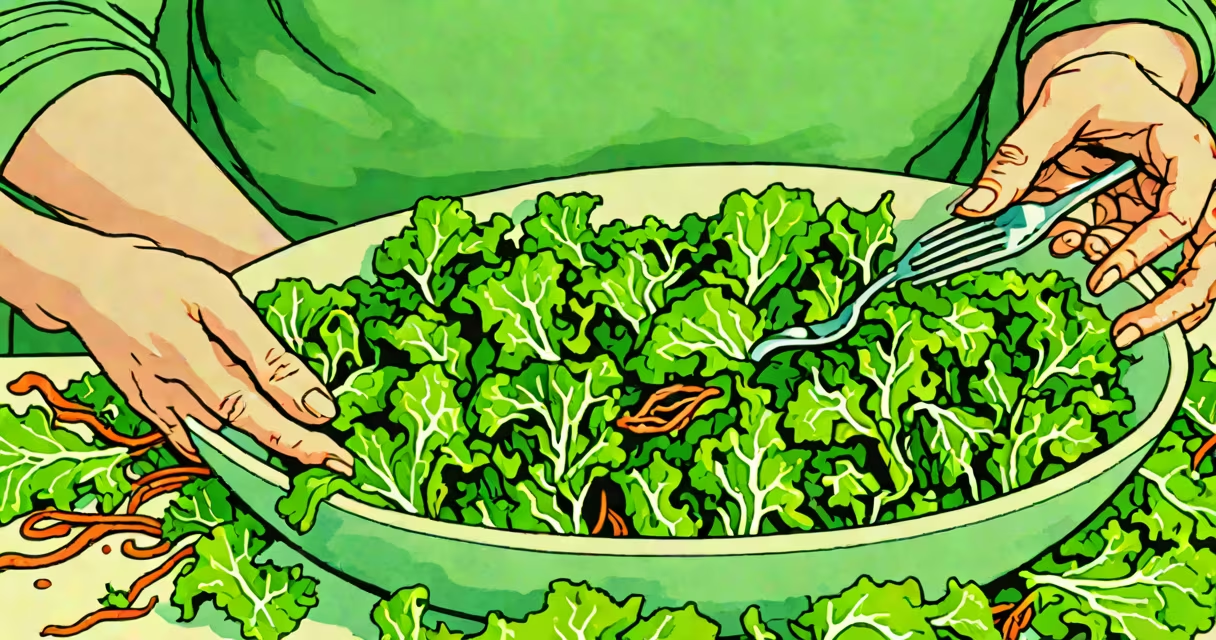
I once had cramps and green poop after eating a massive salad with spinach, kale, and broccoli. The cramps passed within a few hours, and my stool returned to normal after a day. But if the symptoms had lasted longer or gotten worse, I would have seen a doctor.
Many people think green poop always means infection or disease. While it can signal those issues, it's often just a harmless side effect of diet. For example, eating too much iron-rich food or taking supplements can also turn stool green.
Another myth is that gallbladder problems always cause severe pain. Some people with gallstones have mild or no symptoms at all. That's why it's important to pay attention to other signs, like changes in stool color or frequency.
To prevent cramps and green poop, try these steps:
If you experience cramps and green poop occasionally, it's likely nothing to worry about. But if symptoms persist or worsen, consult a healthcare provider to rule out underlying issues.