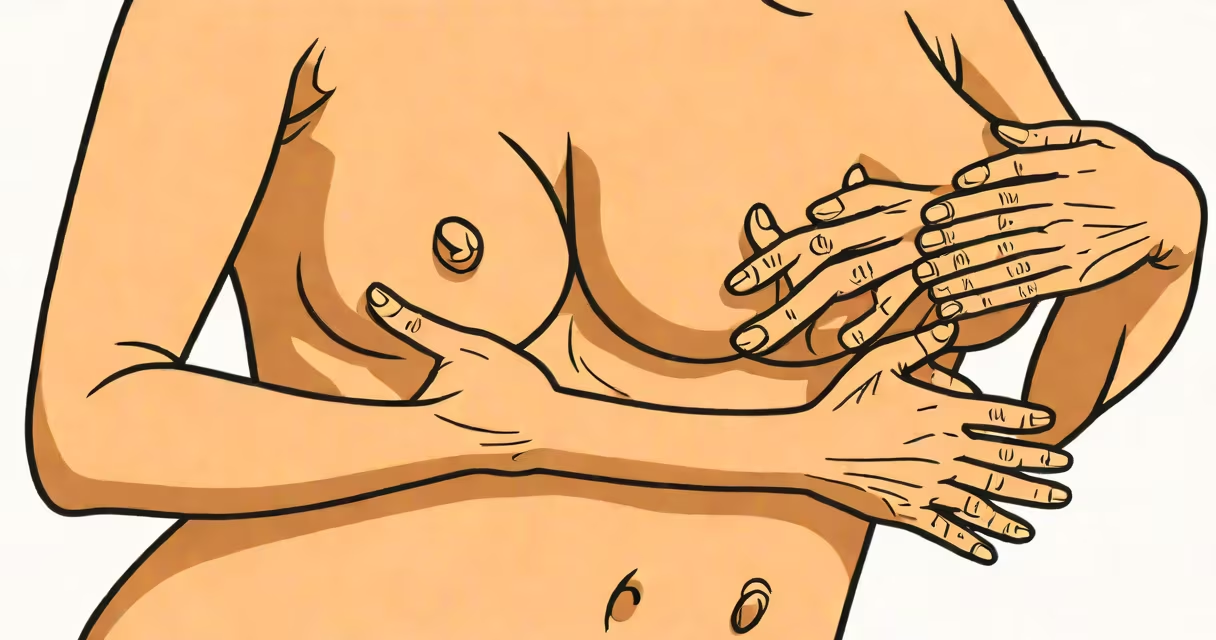
A cramp in the left side of your body is a sudden, involuntary contraction of a muscle or group of muscles, often caused by overexertion, dehydration, or electrolyte imbalances. These cramps typically resolve on their own but may indicate underlying health concerns if they occur frequently or without clear cause.
Muscle cramps happen when muscles contract involuntarily and cannot relax. This occurs due to problems with signaling between nerves and muscles, often triggered by imbalances in electrolytes like sodium, potassium, calcium, and magnesium. Overuse, strain, or prolonged positioning can also lead to cramping.
Cramps can affect various muscles in the left side of the body, including:
Several factors can trigger a cramp in the left side of the body:
| Cause | Description |
|---|---|
| Dehydration | Lack of fluids disrupts electrolyte balance, leading to muscle cramps. |
| Electrolyte imbalance | Low levels of sodium, potassium, calcium, or magnesium can cause cramping. |
| Overexertion | Intense or prolonged physical activity can strain muscles, leading to cramps. |
| Nerve compression | Conditions like sciatica or pinched nerves can cause cramping sensations. |
Less commonly, cramps in the left side may signal serious conditions like deep vein thrombosis (DVT) or liver disease. If cramps are severe, frequent, or accompanied by swelling, redness, or warmth, seek medical attention immediately.
While most cramps are harmless, persistent or severe cramping may require medical evaluation. According to the Mayo Clinic, consult a healthcare provider if cramps:
If you experience a cramp in the left side under your breast along with shortness of breath or chest pain, seek immediate medical attention, as these could indicate a heart attack or other serious condition.
Most muscle cramps can be managed with simple remedies:
To prevent cramps, maintain proper hydration, ensure adequate electrolyte intake, and avoid overexertion. Regular stretching and strength training can also reduce the risk of muscle cramps.
If you experience persistent or unexplained cramps, consult a healthcare professional to rule out underlying conditions. For more information on left-sided pain, see our guide on pain in the left side.