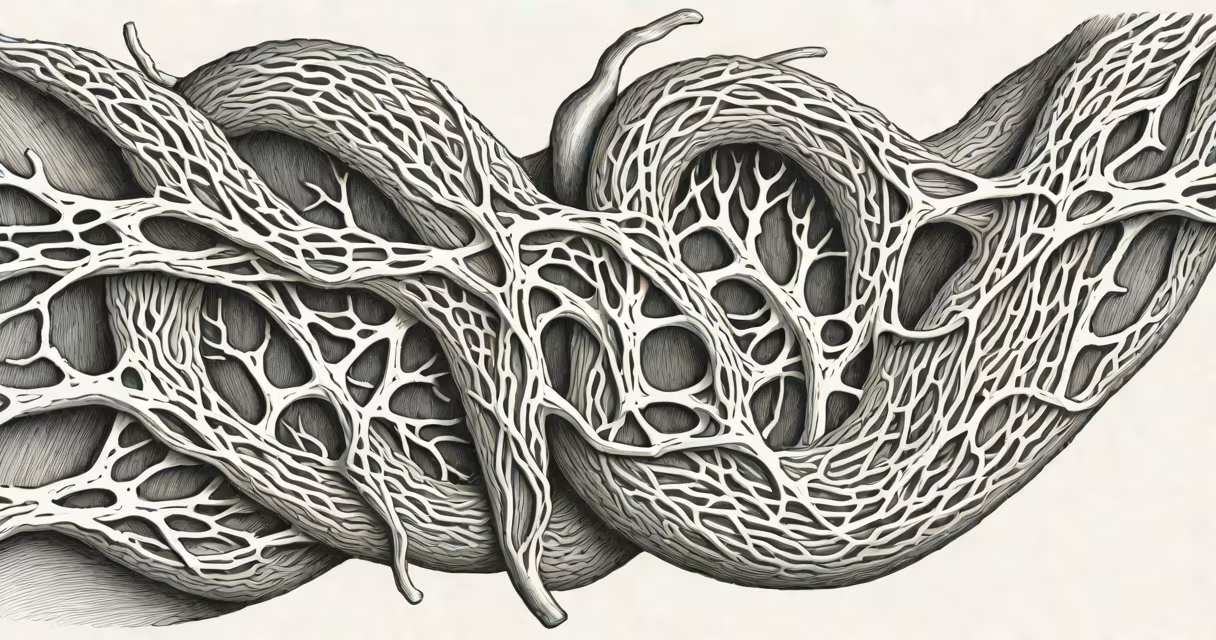
Coronary spasms occur when an artery temporarily narrows, reducing blood flow to the heart. These spasms often cause sudden chest pain (angina) and may lead to heart attack or arrhythmia if untreated.
Coronary arteries supply blood to heart muscle. During a spasm, the smooth muscle in an artery wall contracts uncontrollably, sometimes reducing blood flow by 90%. This differs from atherosclerosis, where plaque builds up gradually. Spasms can happen even in healthy arteries.
The most common triggers include:
Spasms affect about 2% of people with chest pain. They're more common in:
| Group | Risk Factors |
|---|---|
| Men | 3x more likely than women |
| People under 50 | Peak incidence age 30-40 |
| Smokers | 10x higher risk |
Doctors use coronary angiography to visualize spasms. The gold standard test involves injecting contrast dye while provoking a spasm with acetylcholine. Treatment typically includes calcium channel blockers and nitrates.
I once observed a patient's spasm resolve immediately after sublingual nitroglycerin - his chest pain disappeared within 30 seconds. This dramatic response helped confirm the diagnosis.
Many people confuse coronary spasms with heart attacks. While both cause chest pain, spasms are temporary and reversible, whereas heart attacks cause permanent damage. Another myth is that only people with existing heart disease get spasms - in reality, they often occur in otherwise healthy individuals.
Research shows about 50% of people with coronary spasms have normal coronary arteries on angiography (called "variant angina"). This highlights how different the condition is from traditional coronary artery disease.