The cutest animals in the world are small mammals with large eyes, soft fur, and playful behaviors that activate human caregiving instincts. These traits, known as "baby schema," make them universally appealing.
Research published in Ethology shows humans prefer animals resembling human infants: round faces, big eyes, and small noses. The cutest species often have these features, triggering oxytocin release-the "love hormone."
While cuteness exists across species, these categories dominate:
| Rank | Animal | Key Feature |
|---|---|---|
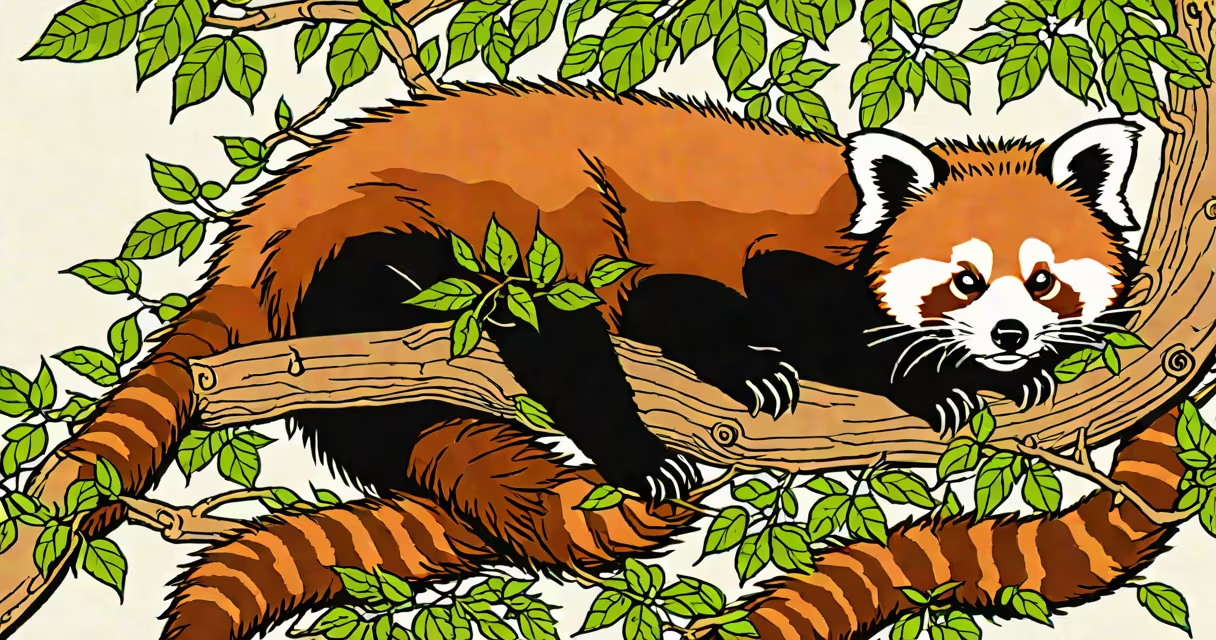
| 1 | Red panda | Round face, ringed tail, tree-napping habits |
| 2 | Fennec fox | Giant ears, tiny body, desert-adapted |
| 3 | Baby elephant | Trunk play, wrinkled skin, social bonds |
| 4 | Quokka | Smiling face, island habitat, stress-resistant |
| 5 | Puppy | Big eyes, floppy ears, pack mentality |
People often assume cuteness equals harmlessness. However, many cute animals are dangerous. For example, red pandas-ranked #1-are territorial and can bite when threatened. Similarly, quokkas, though photogenic, carry diseases transmissible to humans.
Another myth is that cuteness is purely subjective. Studies in Current Biology prove certain facial proportions universally trigger affection, regardless of culture or age.
Cute traits evolved to protect vulnerable offspring. Baby animals with large eyes and small bodies signal helplessness, encouraging parental care. This survival mechanism explains why humans instinctively adore puppies or penguin chicks.
Some species exaggerate cuteness. Domestic dogs, for example, retained puppy-like features into adulthood-a phenomenon called neoteny. This likely helped them bond with humans during domestication.