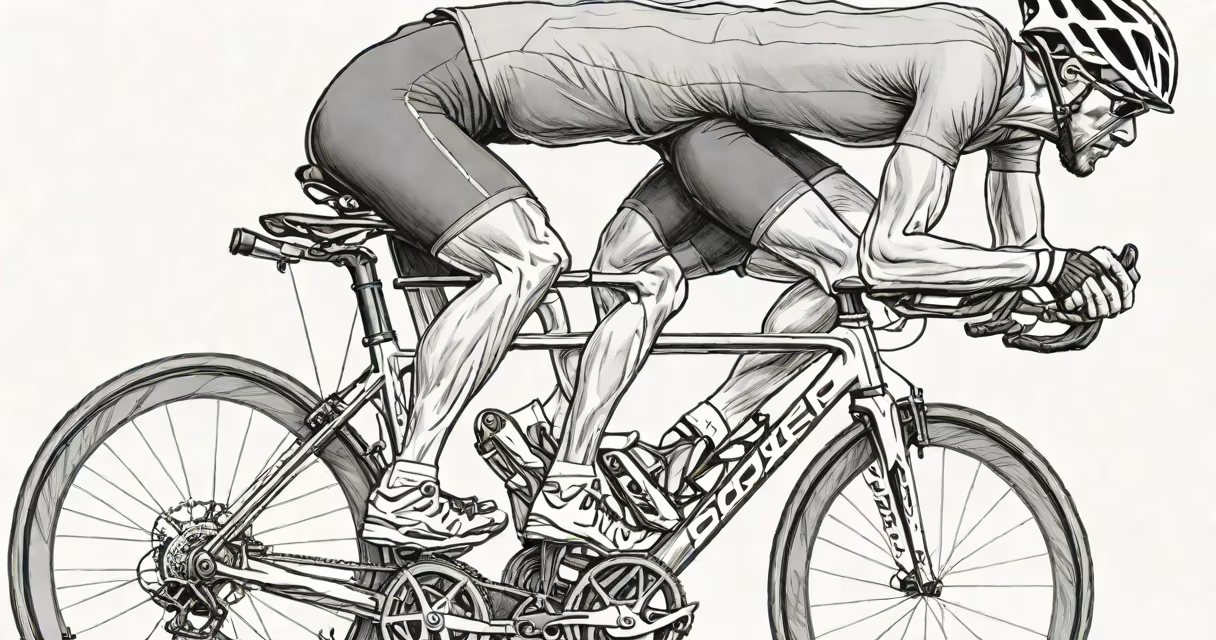
Cyclists frequently develop sore hip flexors due to prolonged sitting, repetitive motion, and improper bike fit. These muscles, primarily the iliopsoas, become overworked and tight, leading to discomfort and reduced performance.
The hip flexors are in a shortened position during cycling, especially when the saddle is too high or too far forward. This constant tension restricts blood flow and causes microtears in the muscle fibers, resulting in soreness and stiffness.
Over time, these microtears accumulate, leading to chronic inflammation and pain. Cyclists may also experience referred pain in the lower back or knees due to compensatory movements caused by tight hip flexors.
| Type | Description | Severity |
|---|---|---|
| Grade I | Mild strain with minimal pain and stiffness | Mild |
| Grade II | Moderate strain with noticeable pain and limited mobility | Moderate |
| Grade III | Severe strain with intense pain and significant loss of function | Severe |
Most cycling-related hip flexor strains fall under Grade I or II. Grade III strains are rare but require immediate medical attention.
Proper bike fit is important for preventing hip flexor pain. The saddle height should allow for a slight bend in the knee when the pedal is at the 6 o'clock position. The saddle position should also be adjusted to ensure the knee is aligned with the pedal spindle.
Regular stretching and strengthening exercises, such as lunges and hip flexor stretches, can help maintain flexibility and reduce the risk of injury. Taking short breaks during long rides to stand and stretch can also alleviate tension in the hip flexors.
Rest and ice are the first steps in treating sore hip flexors. Avoid cycling for a few days to allow the muscles to heal. Apply ice for 15-20 minutes several times a day to reduce inflammation.
Gentle stretching and foam rolling can help relieve tension and promote recovery. Over-the-counter pain relievers, such as ibuprofen, can be used to manage pain and reduce inflammation.
If the pain persists, consult a physical therapist or sports medicine specialist. They can provide targeted exercises and manual therapy to address the underlying issues causing the hip flexor pain.
For more on how tight hip flexors can affect other parts of the body, see this guide.
Cycling sore hip flexors are a common issue among cyclists, often caused by repetitive motion and improper bike fit. Preventing and treating this condition involves proper bike adjustments, regular stretching, and seeking professional help when needed. By taking care of your hip flexors, you can enjoy a pain-free cycling experience.