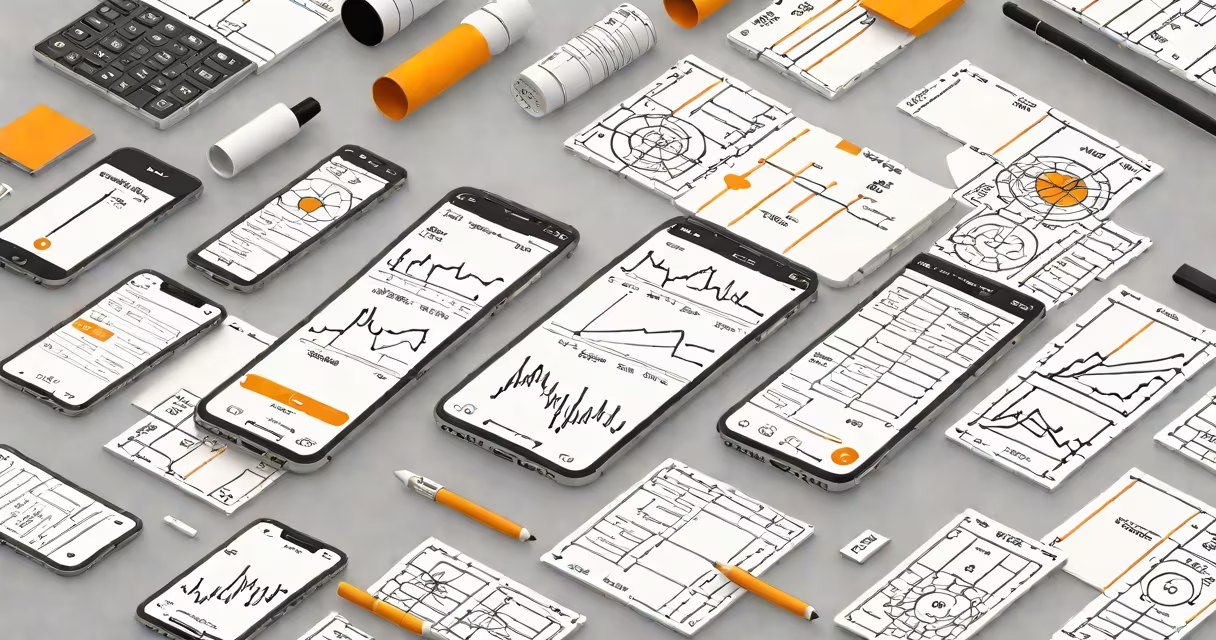
A daily expense tracker is a tool that records your spending to help you manage budgets and save money. These apps or spreadsheets categorize expenses, analyze trends, and set financial goals.
Most trackers sync with bank accounts or allow manual entry. They categorize expenses (food, transportation, entertainment) and generate reports. Some use AI to predict future spending based on past behavior.
| Type | Features | Example |
|---|---|---|
| Mobile Apps | Automatic syncing, receipt scanning, location-based logging | Mint, YNAB |
| Spreadsheets | Customizable templates, manual entry | Google Sheets, Excel |
| Pen-and-Paper | Simple, no tech required | Notebooks, printable templates |
Trackers help identify overspending, set savings goals, and prepare for irregular expenses like car repairs. According to a NerdWallet study, people who track spending save 20% more annually.
Many assume trackers are only for tight budgets. However, they're useful for anyone wanting to understand cash flow, even high earners. Another myth is that they require constant attention-most apps automate the process.
I tested three trackers last year. The app version saved me $120 monthly by highlighting unused subscriptions. The spreadsheet version was slower but gave me more control over categories.
Sarah uses a free app to log daily coffee purchases ($3/day). After a month, she sees $90 spent on coffee. She adjusts her budget, switching to home brewing and saving $60 monthly.
Some trackers integrate with health apps to link spending with stress levels. A Forbes study found that people who track both finances and fitness reduce stress by 15%.